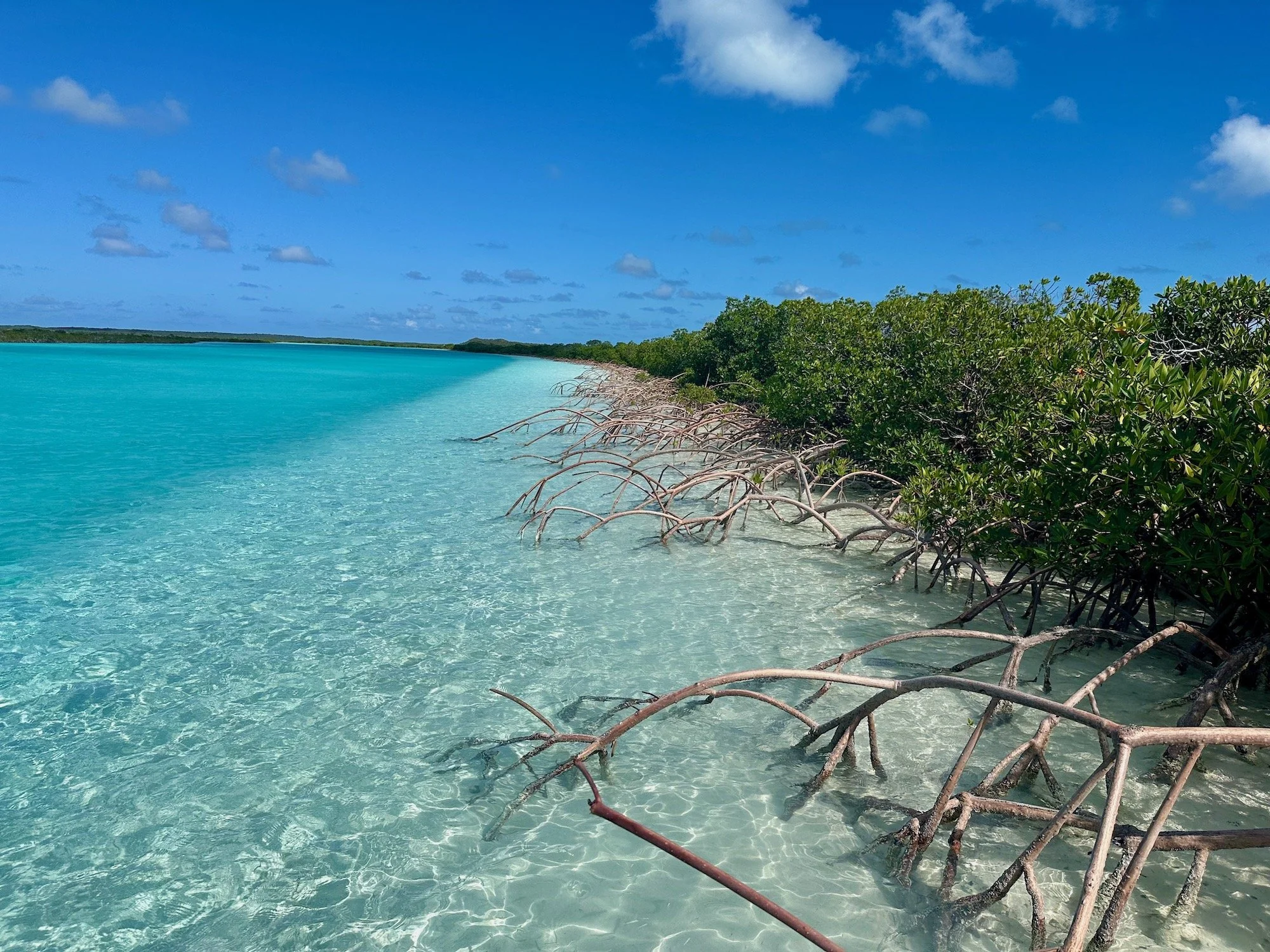
KNOW YOUR CAT ISLAND MARINE PROTECTED AREAS!
Cat Island cradles five pristine MPAs covering 258,000 acres
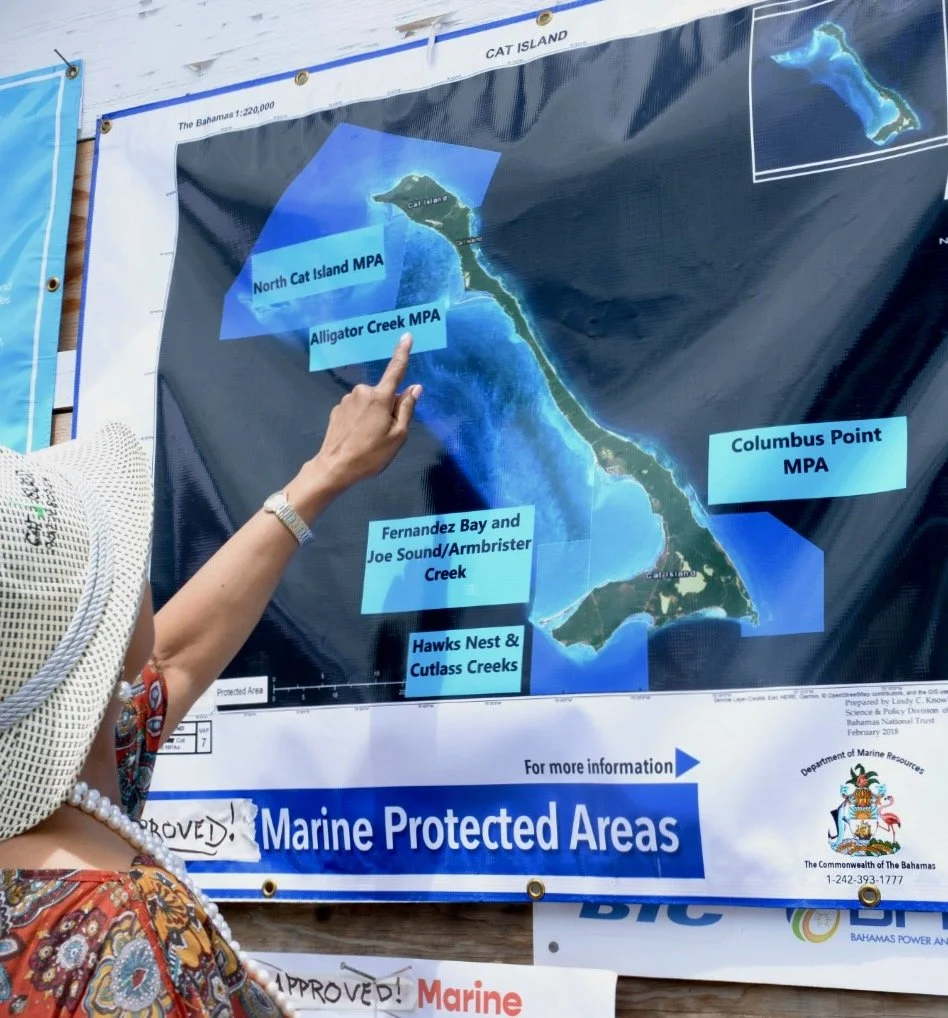
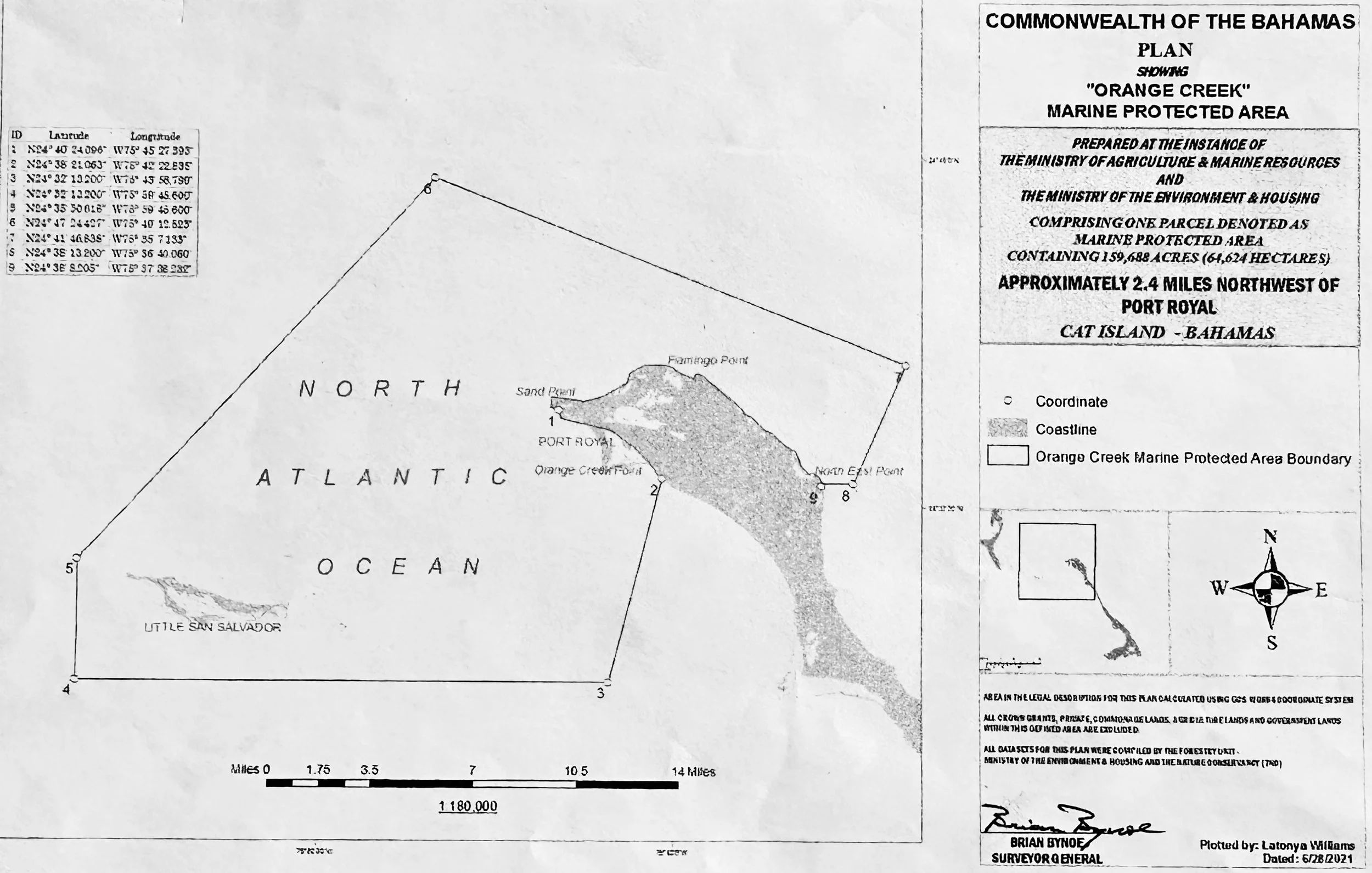
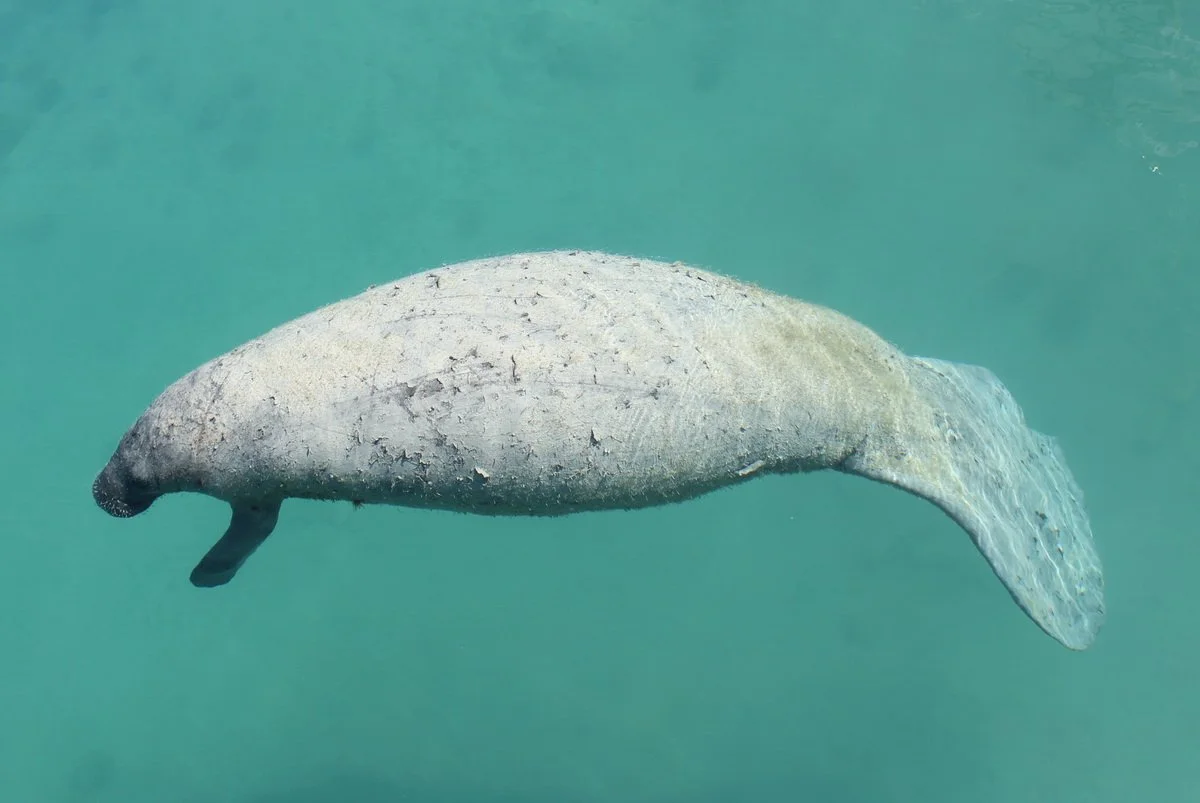
Encompasses the northern tip of Cat Island, including Port Royal, Flamingo Point, Goat Cay and Little San Salvador. The largest of the MPAs at 160,000 acres, it encompasses mangrove creeks, Green Sea turtles, manta rays, coral reefs, sharks, spawning aggregations and many pelagic fish species.
Alligator Creek/Bennetts Creek
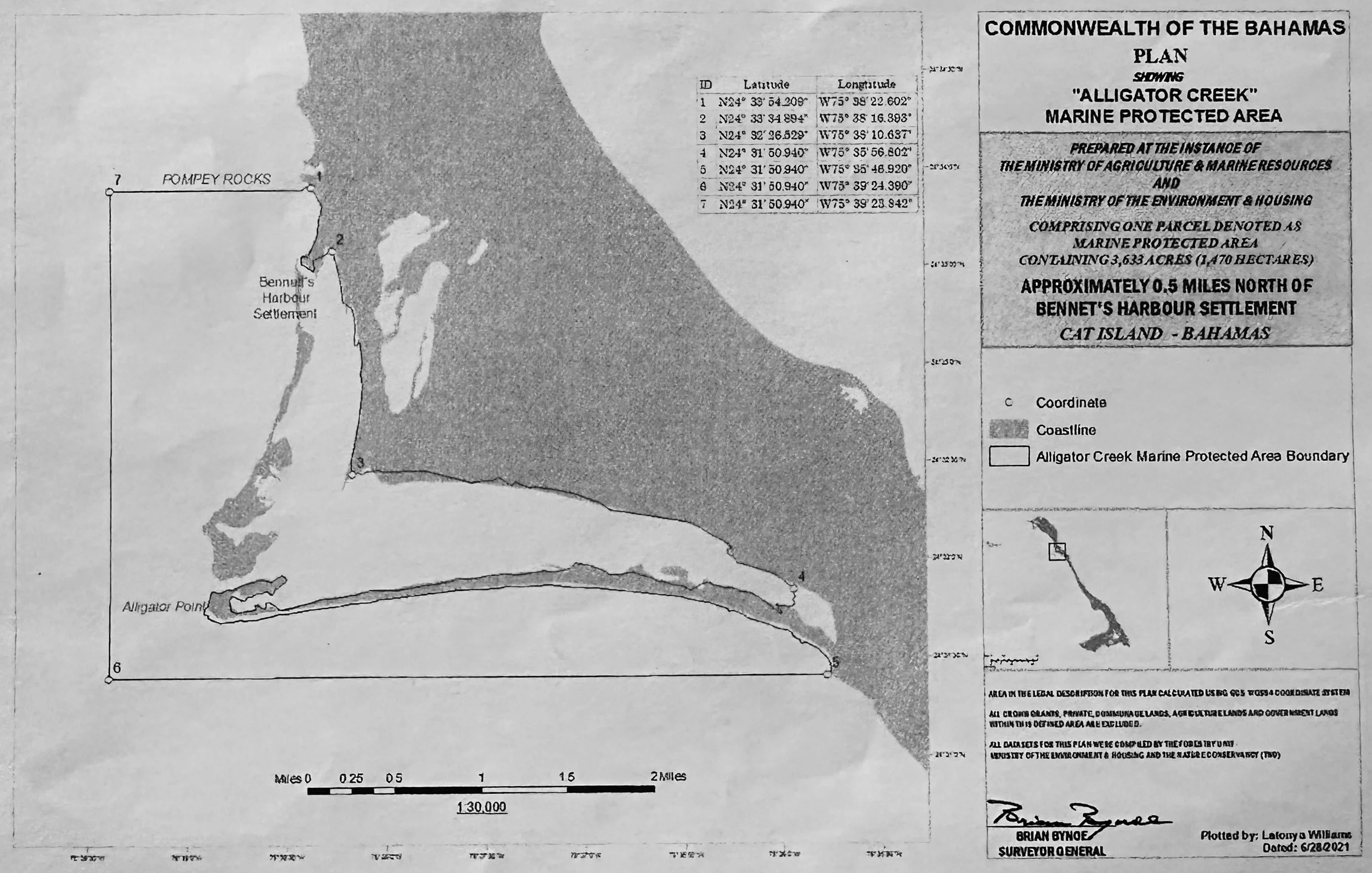
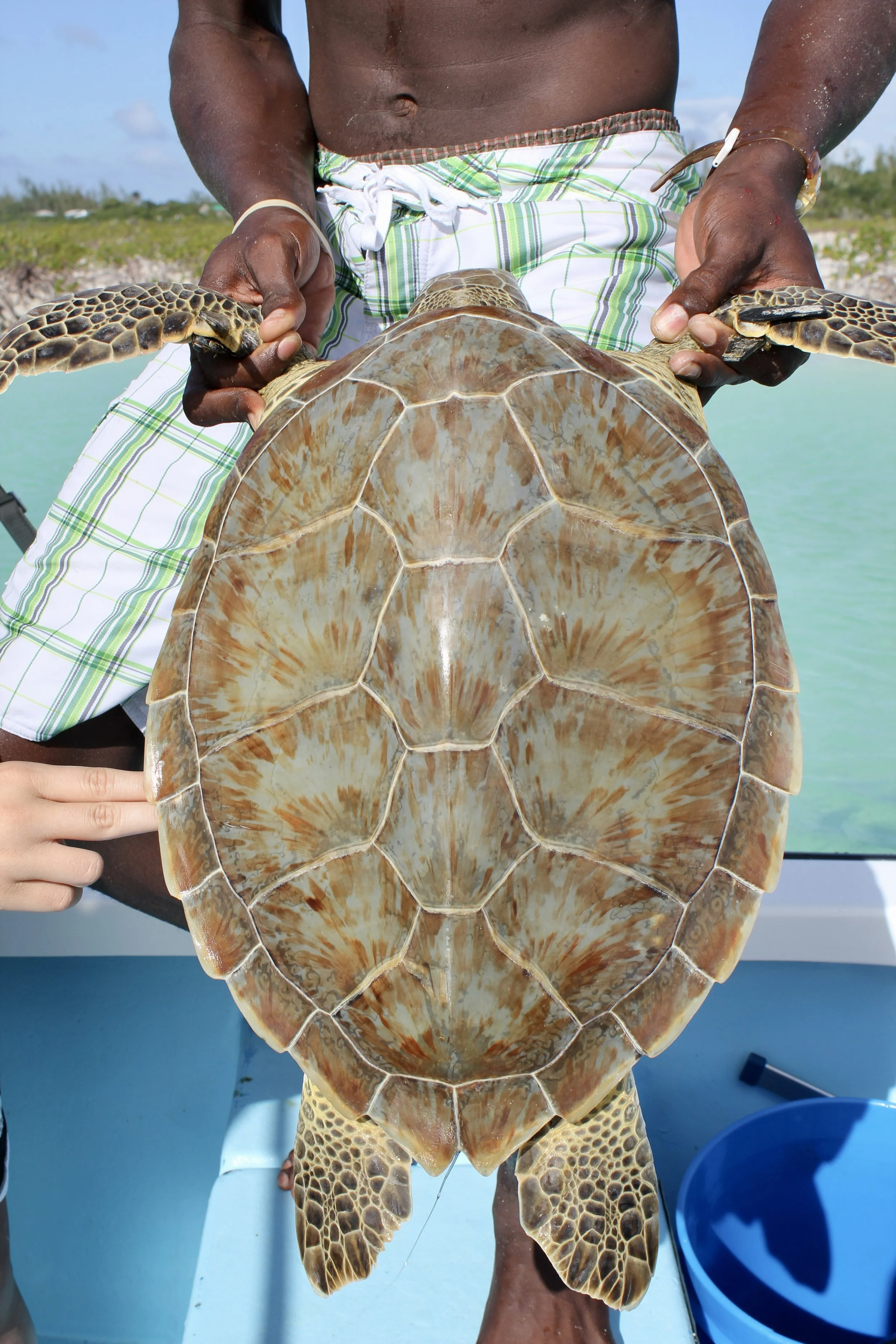
A pristine area of 4,000 acres with plentiful Green Sea Turtles, conch, bonefish and fish nurseries amongst the mangroves.

Fernandez Bay/Joe Sound/ Armbrister Creeks
Orange Creek/Port Royal/San Salvador
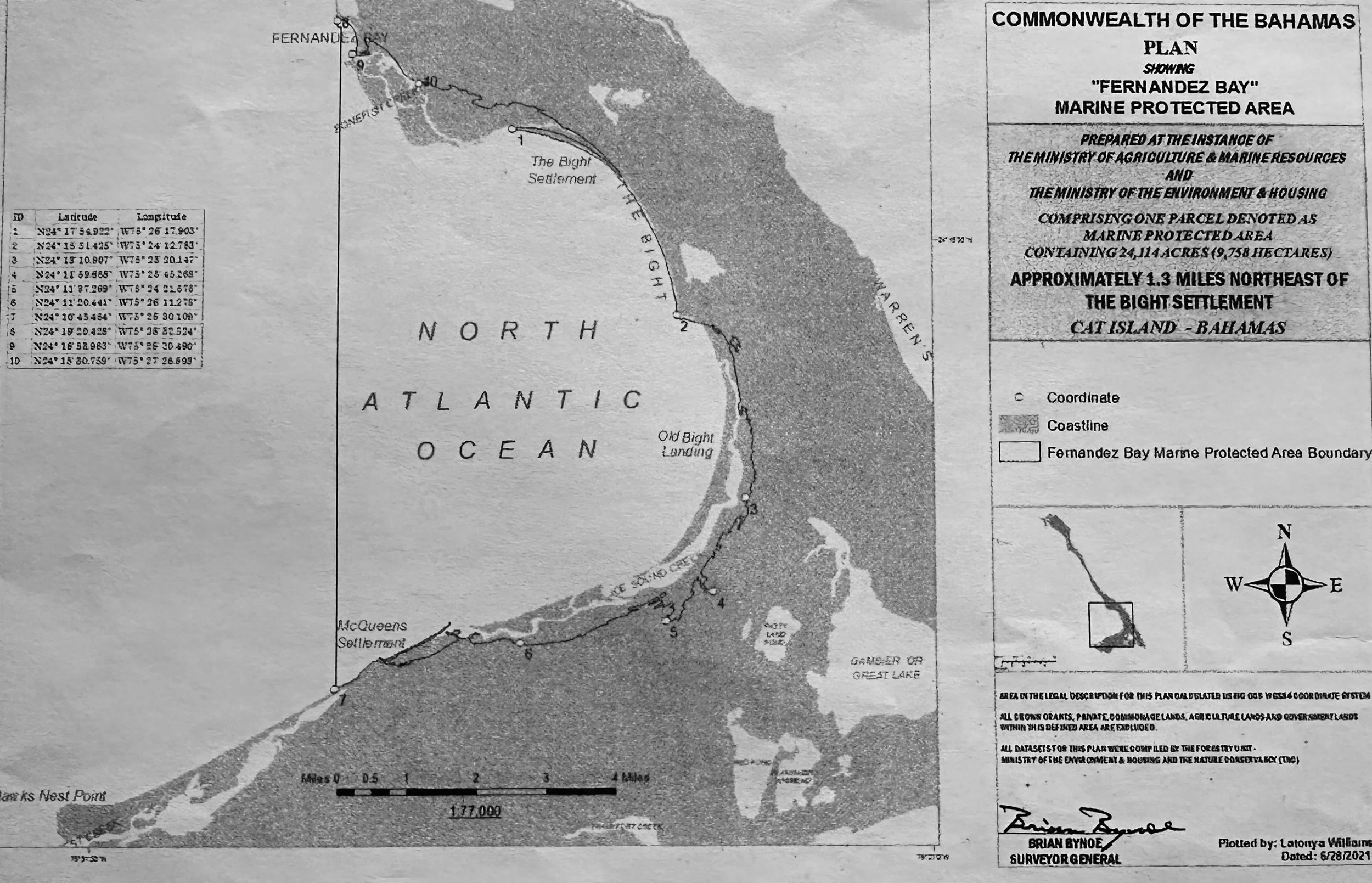
“Fernandez Bay” tri-creek mangroves at 24,000 acres encompasses Joe Sound and Armbrister creek systems, Home to green turtles, bonefish, permit, tarpon, triggerfish, snappers, jacks and extensive fish nurseries.
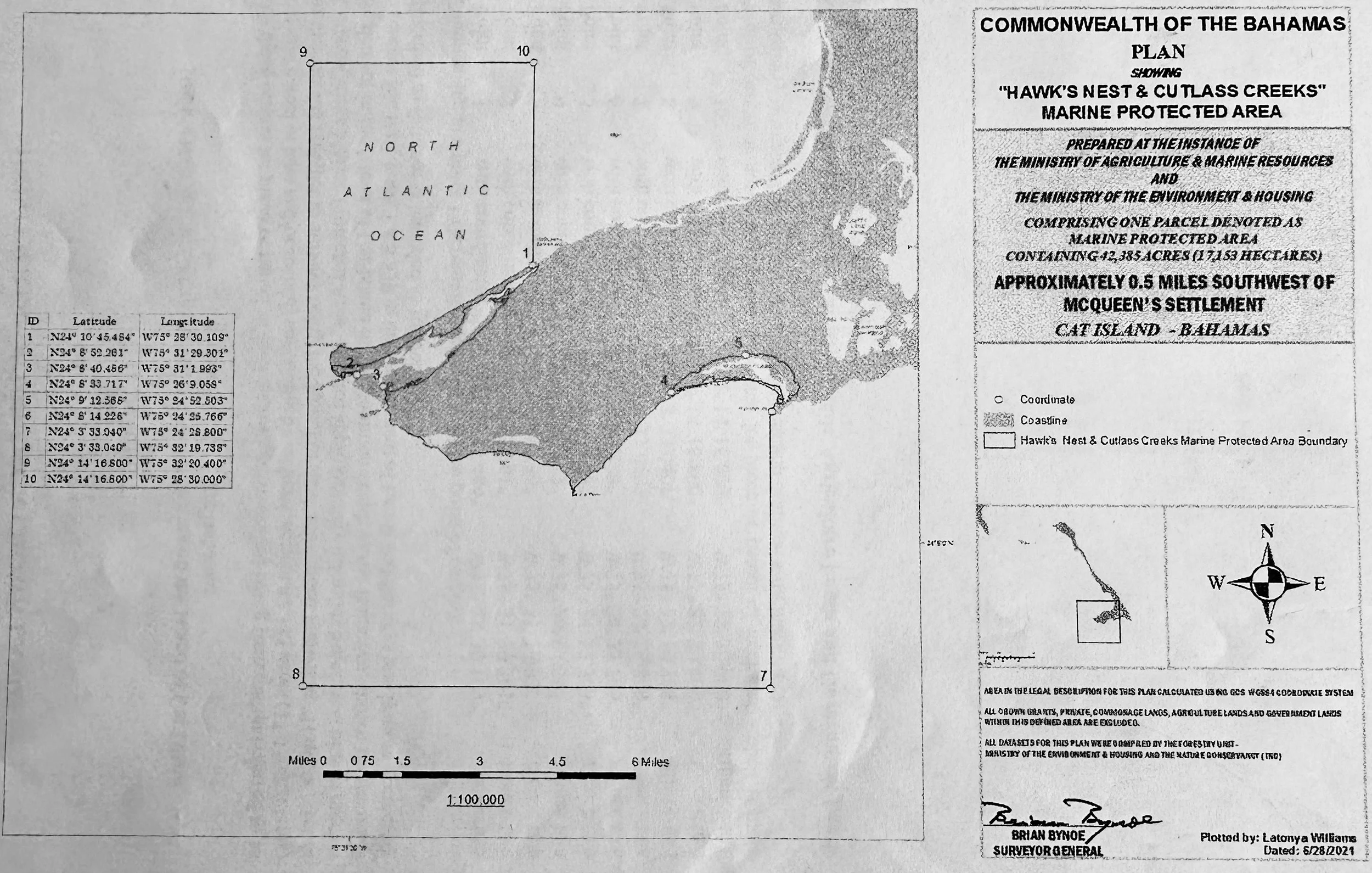
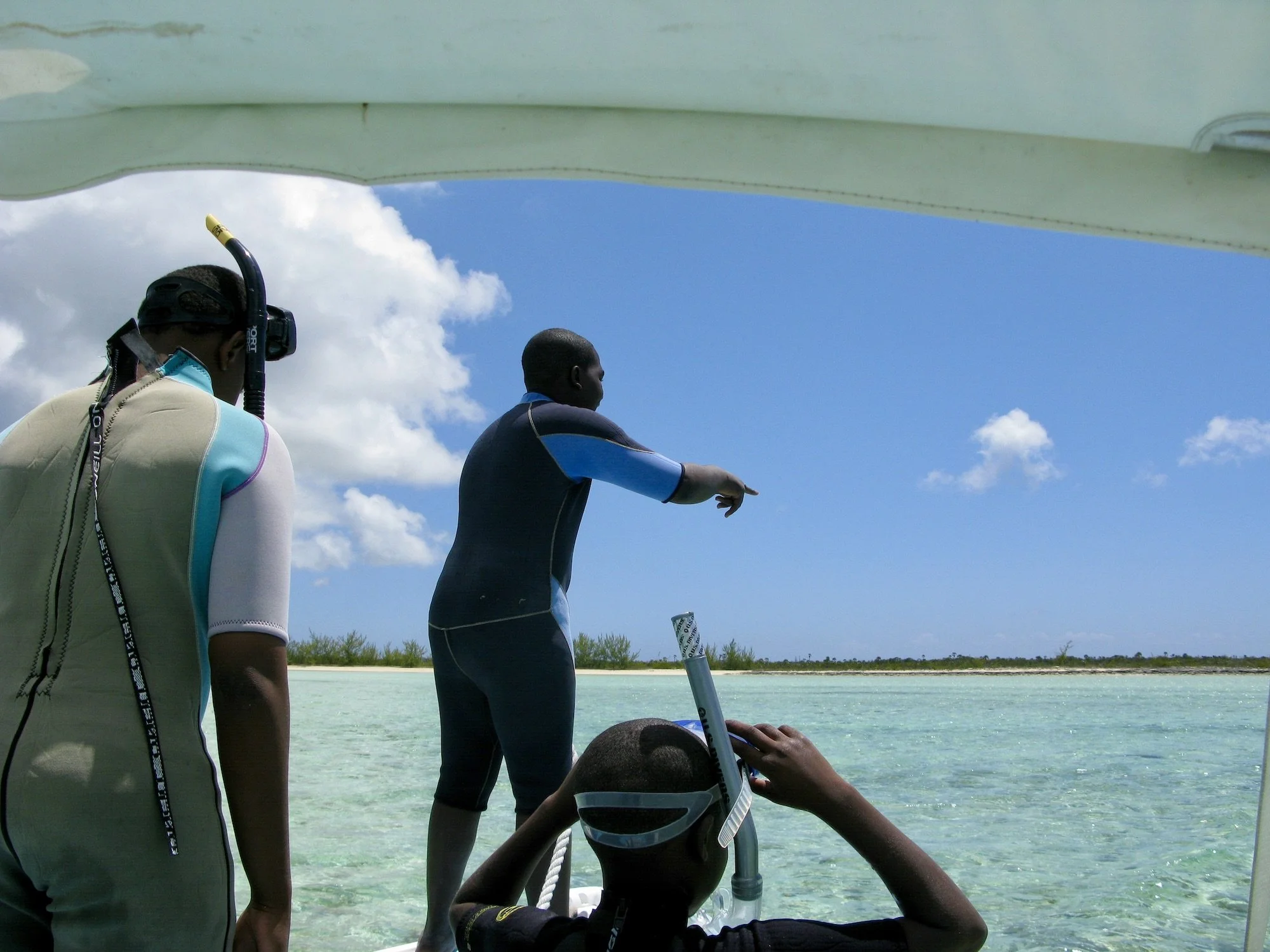
Hawk’s Nest & Cutlass Creeks encompasses extensive flats and mangrove creek systems with bonefish, turtles, rays, sharks
Columbus Point
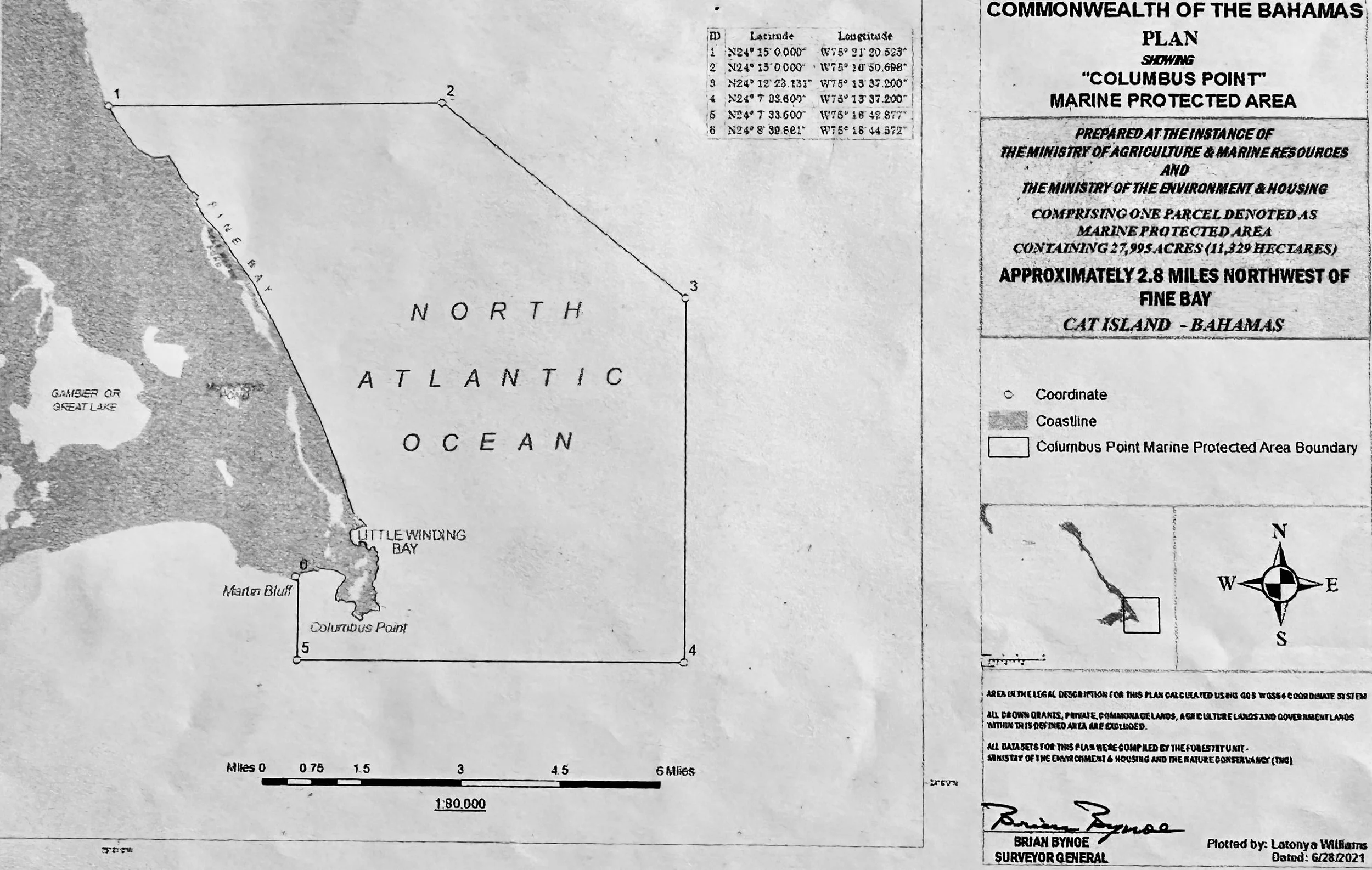
“Columbus Point” encompasses coral reefs, abundant marine life and renowned Oceanic White-tip shark populations.
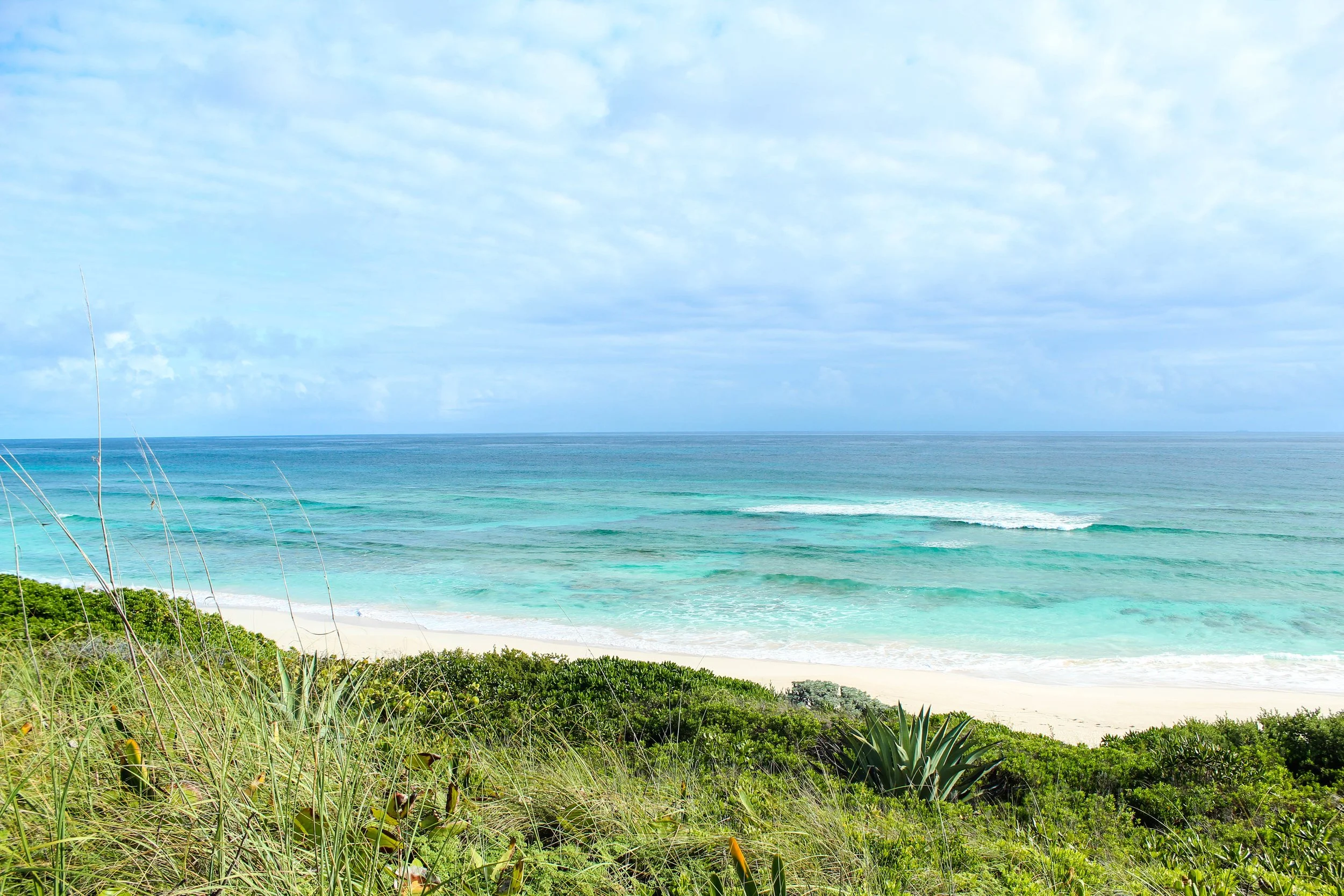
Moving from “paper parks” to protected areas…a work in progress on Cat Island
The Bahamas Government committed to protecting 20% of its shoreline through a system of Marine Parks and MPAs, protection well advanced on many Family Islands. Cat Island United is currently working with the Government’s Department of Marine Resources to set up a pilot program for co-management of these resources for restoration, conservation and contribution to economic livelihoods.
EMPOWER: Small Solar Solutions for Big Problems
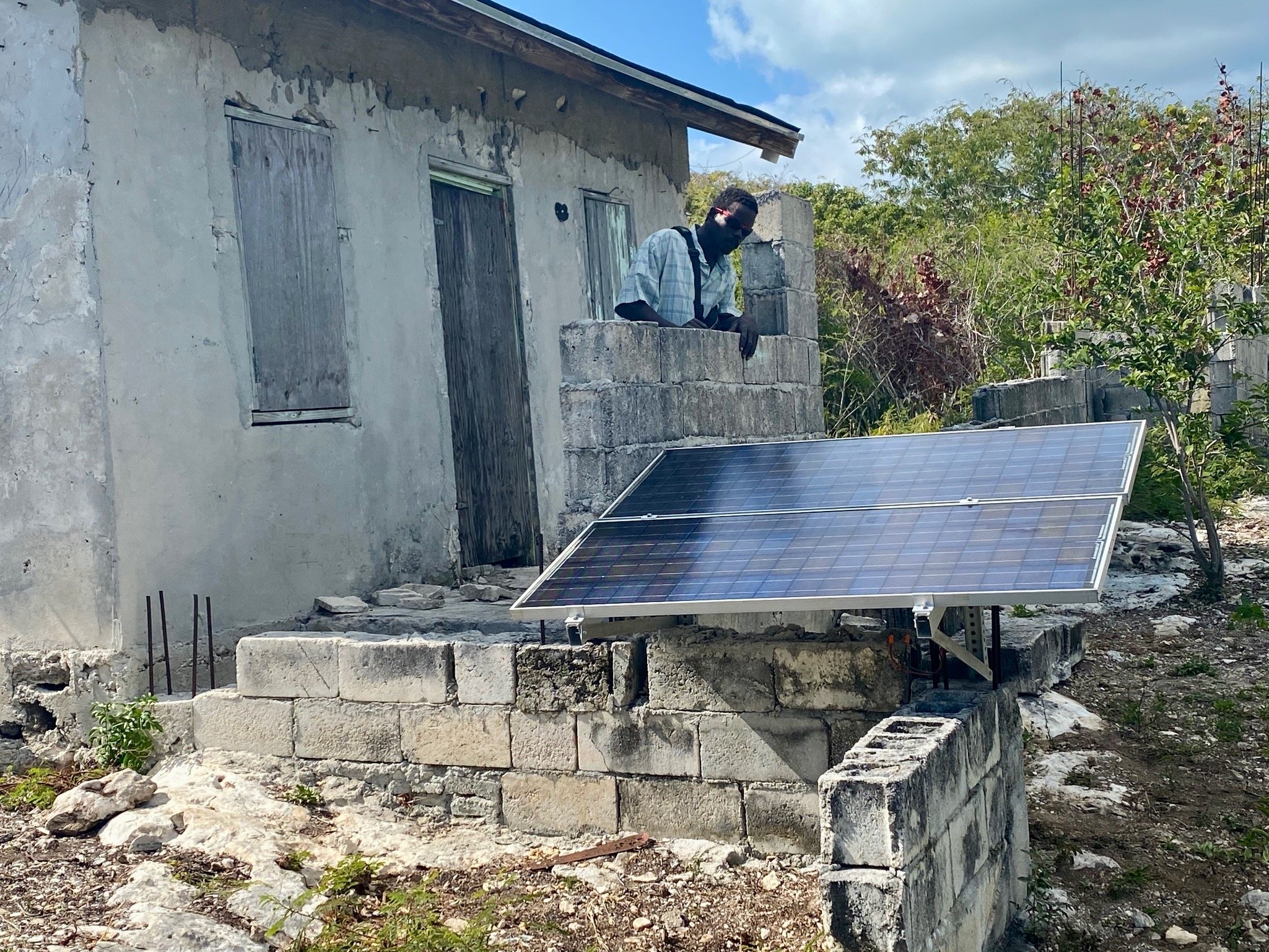
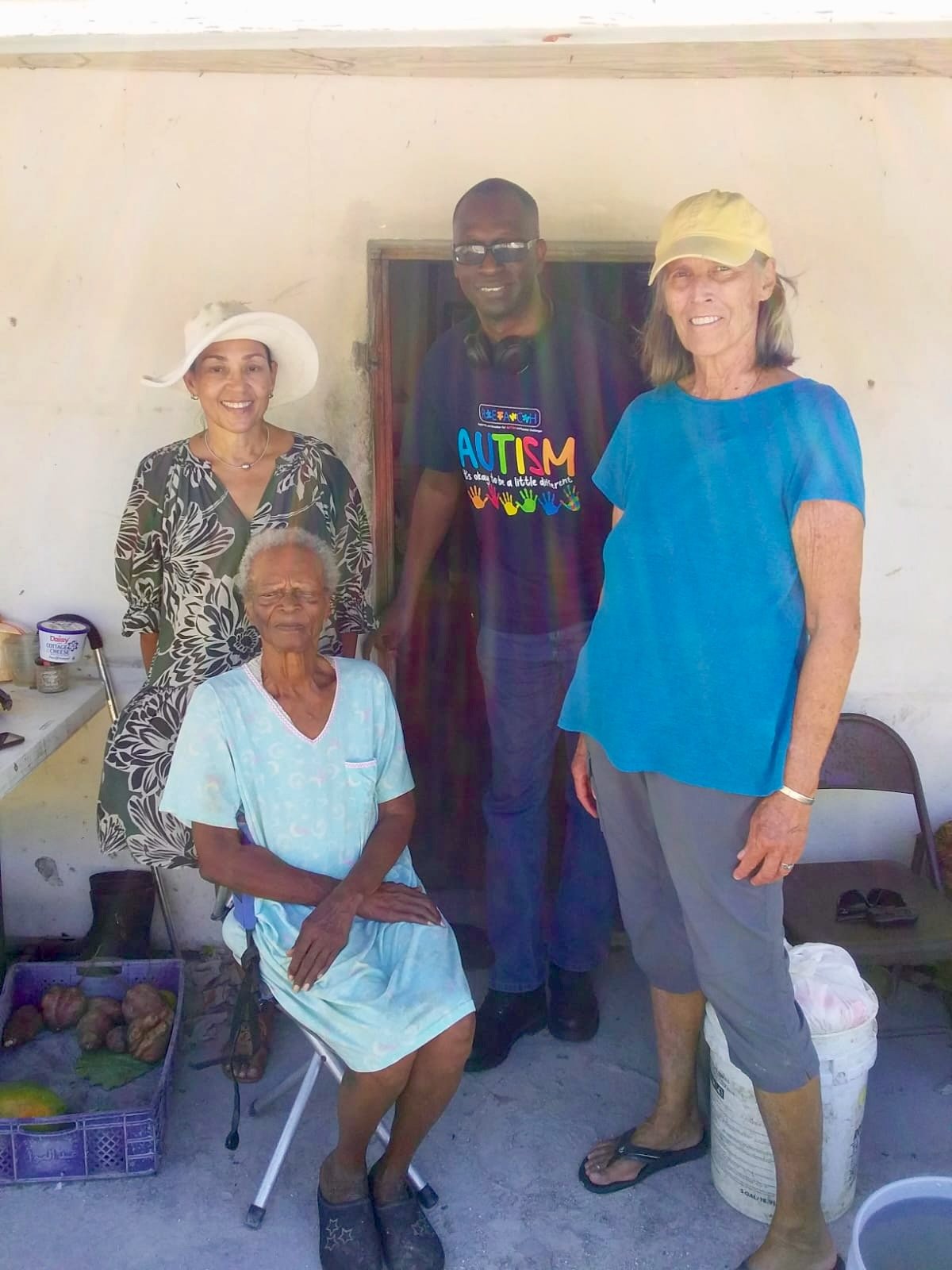
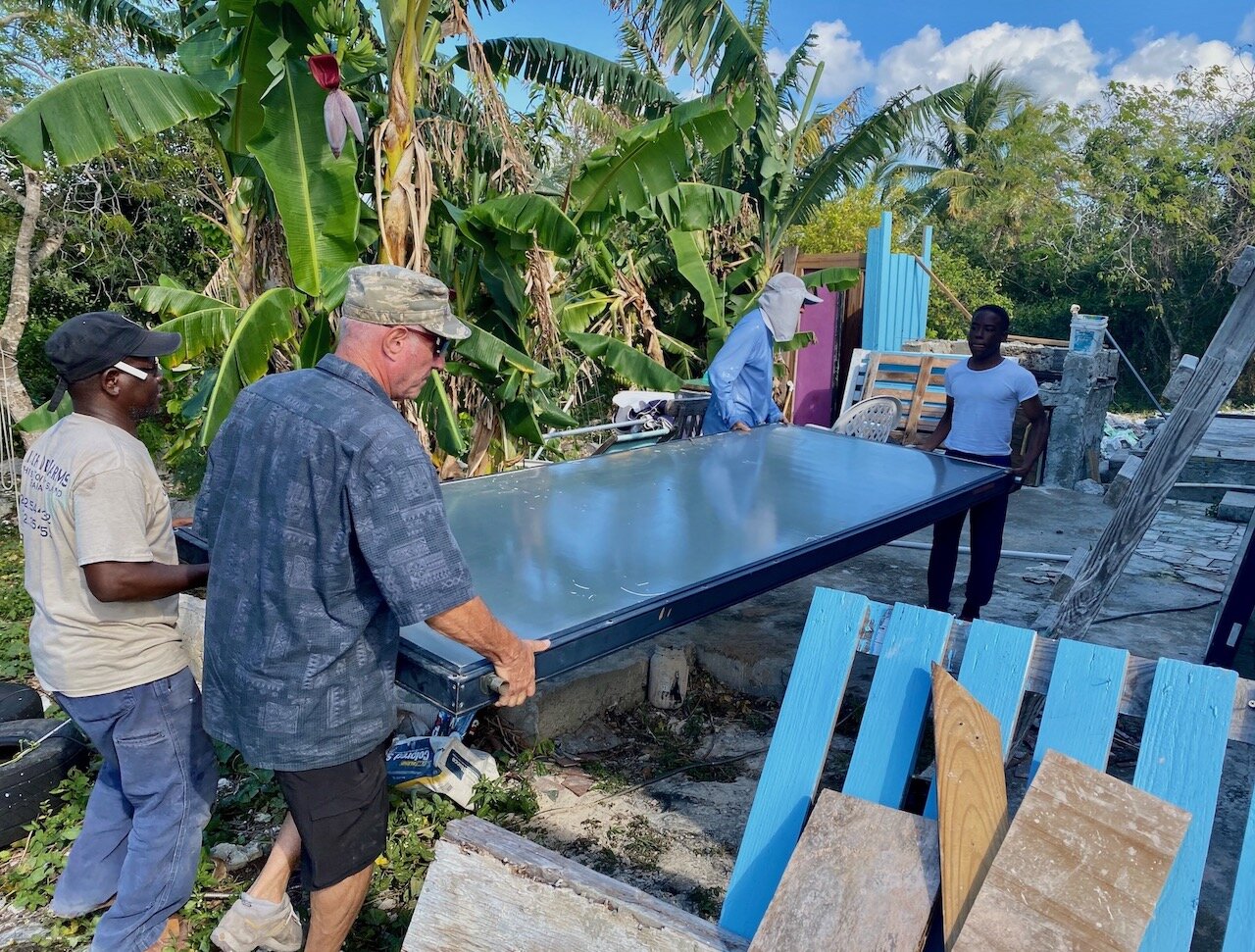
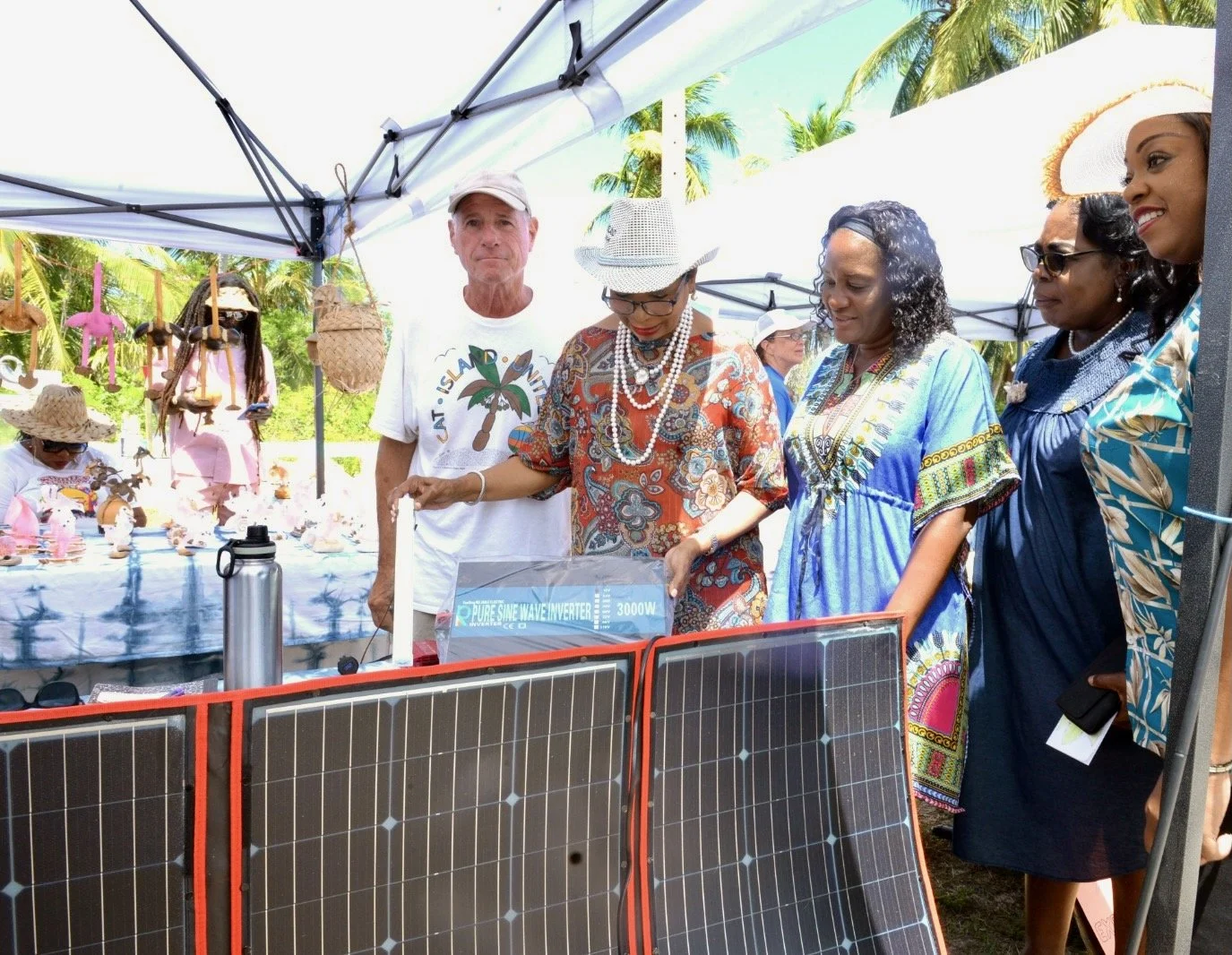
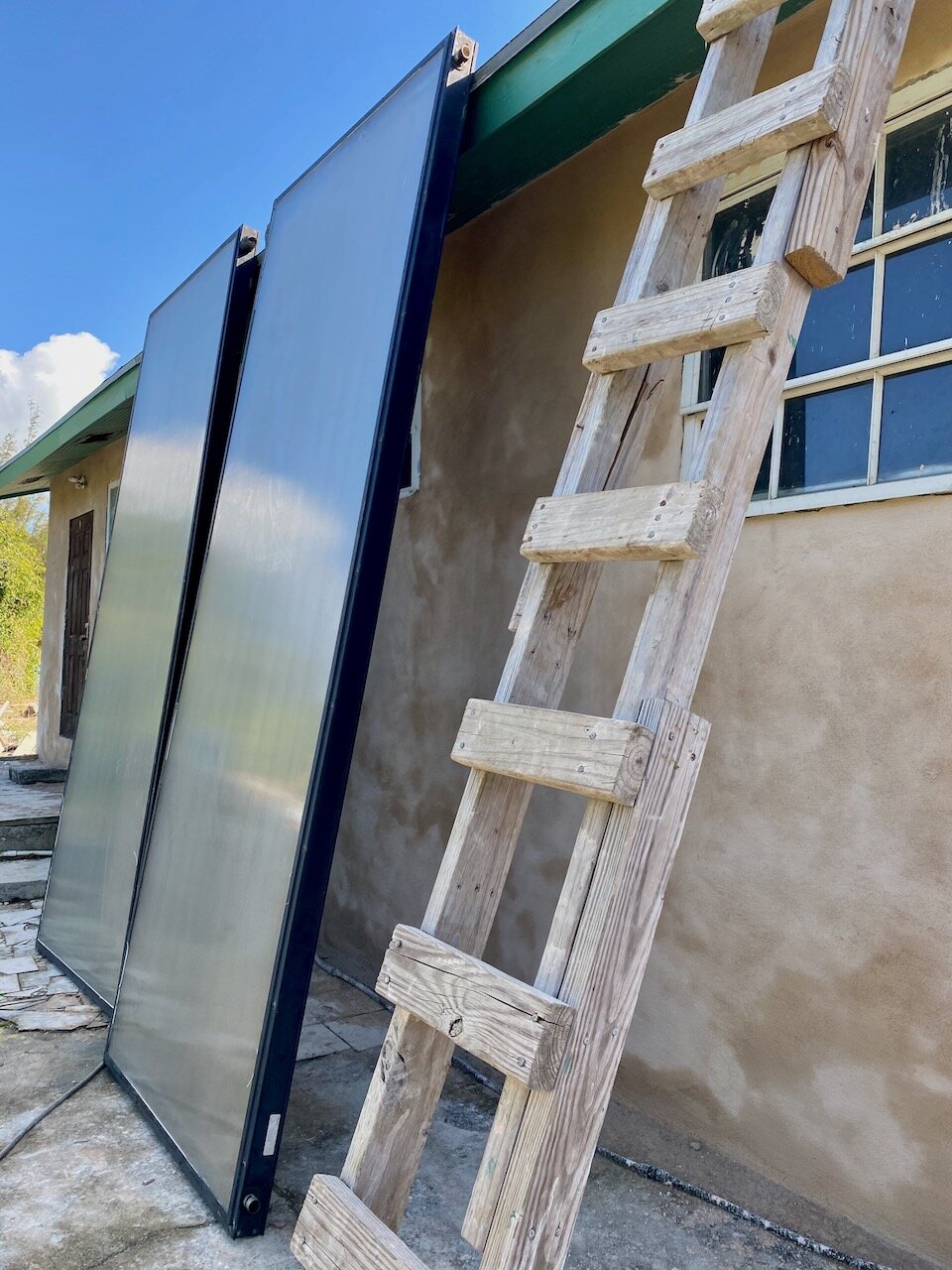
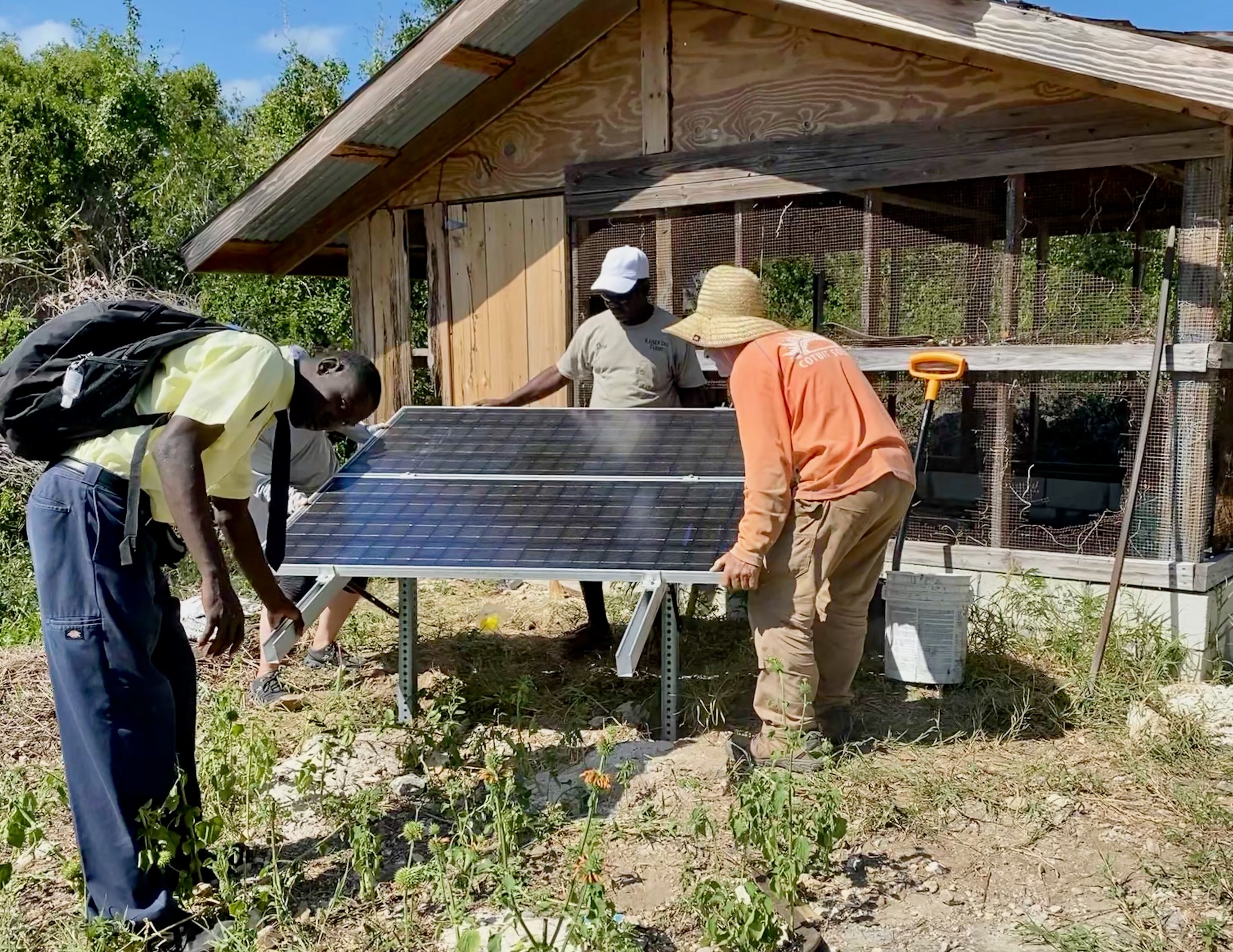
Cat Island United equipped the community with low cost solutions for supplemental energy:
Small solar systems for residents without electricity
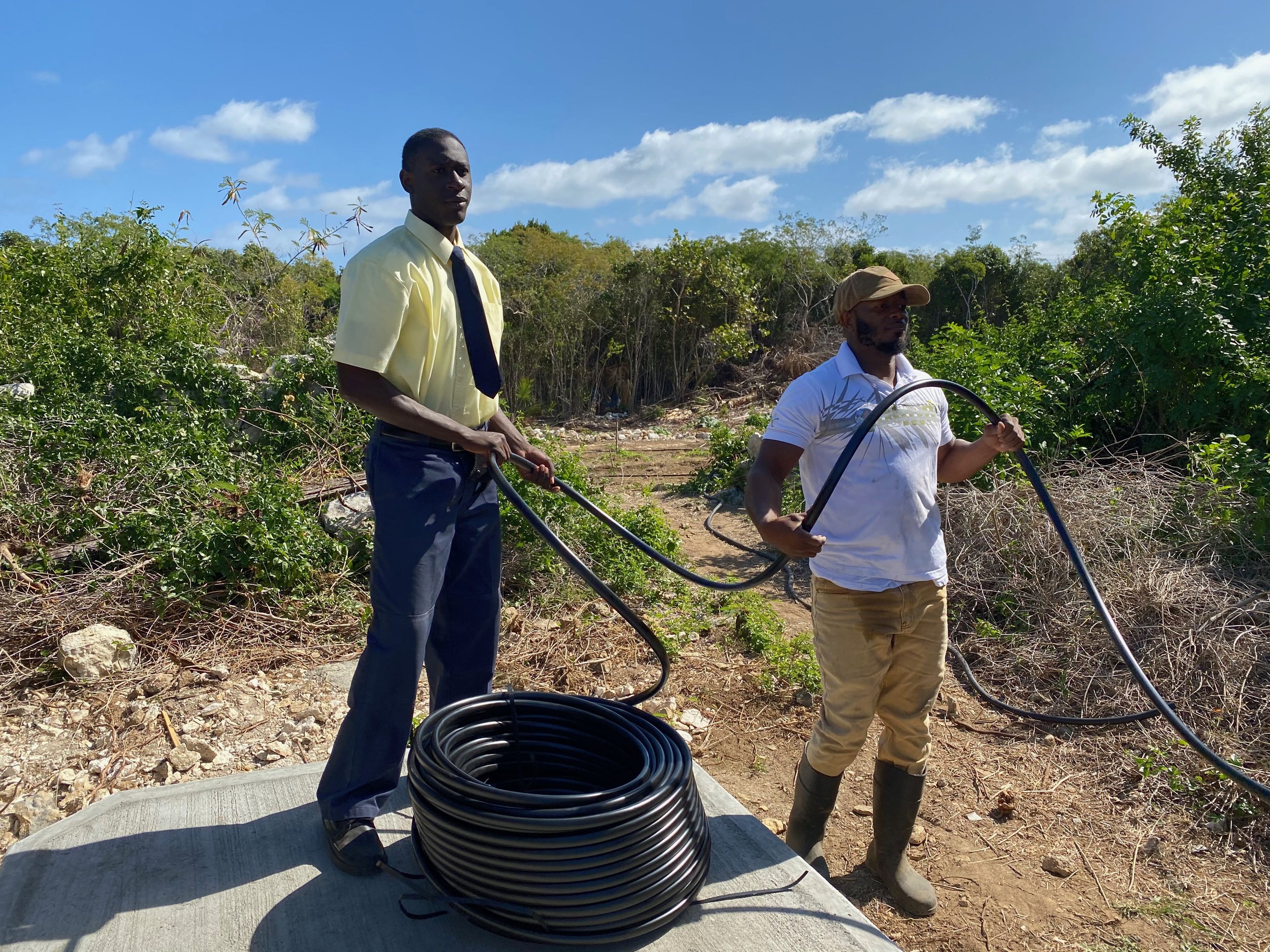
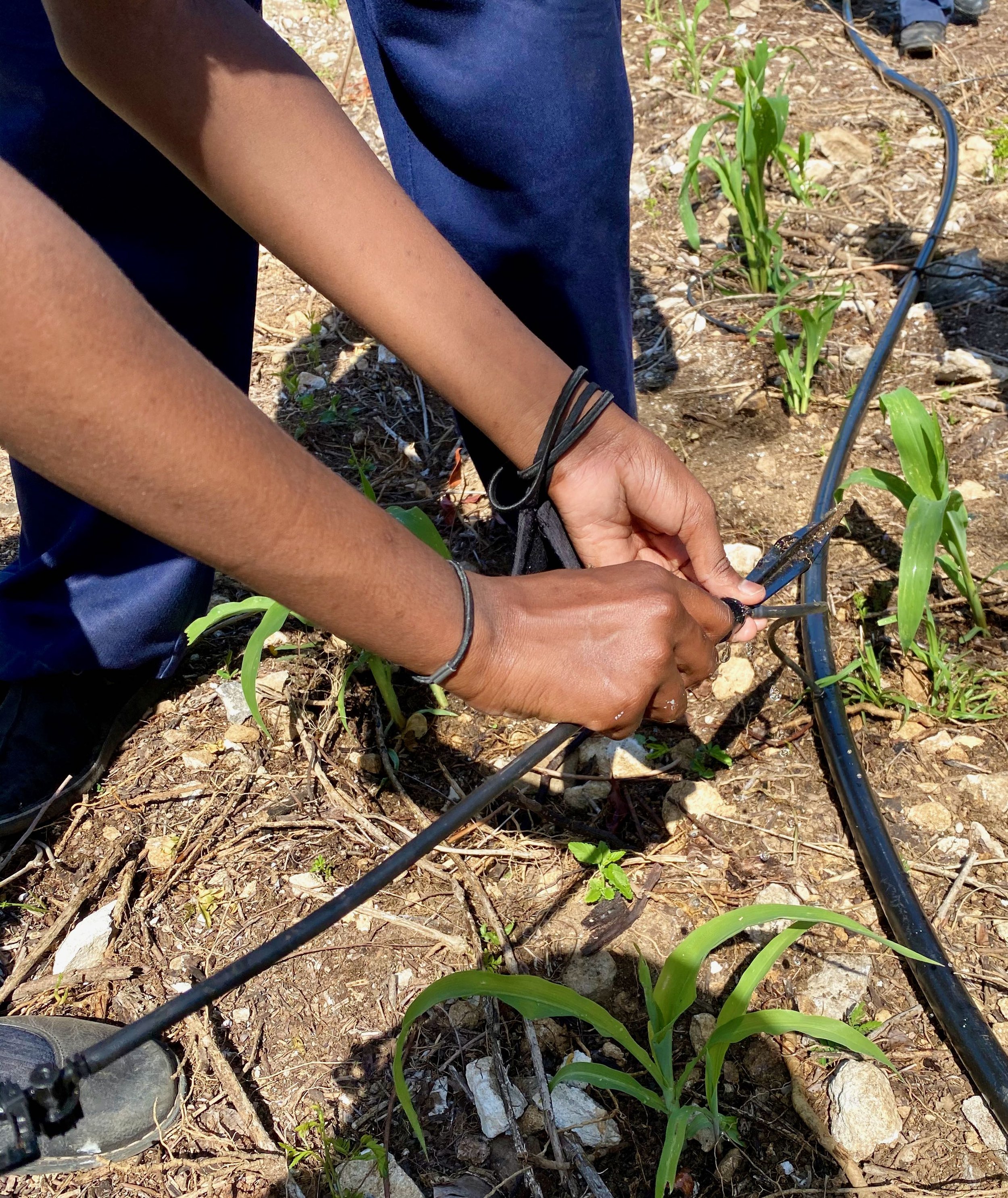
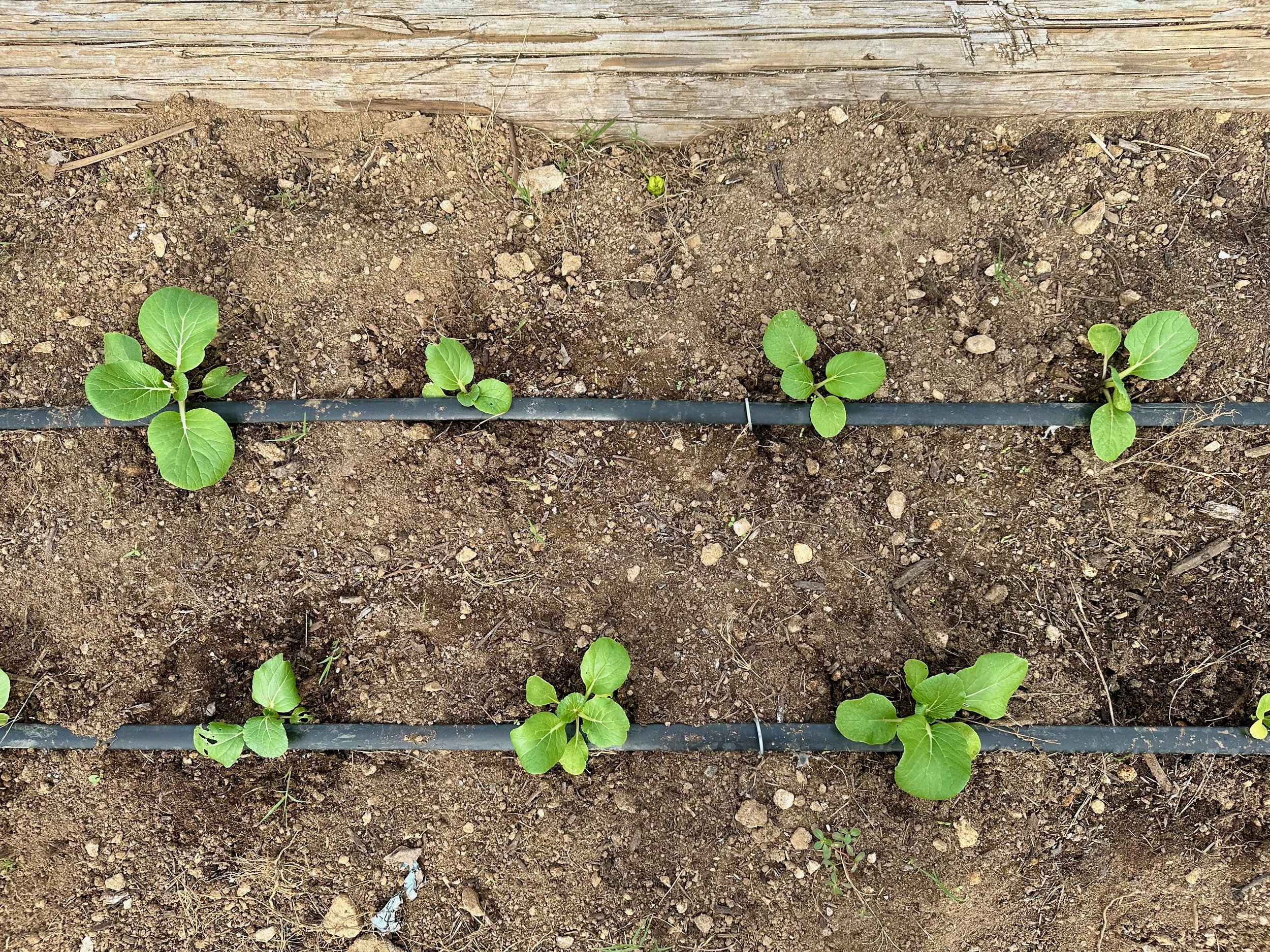
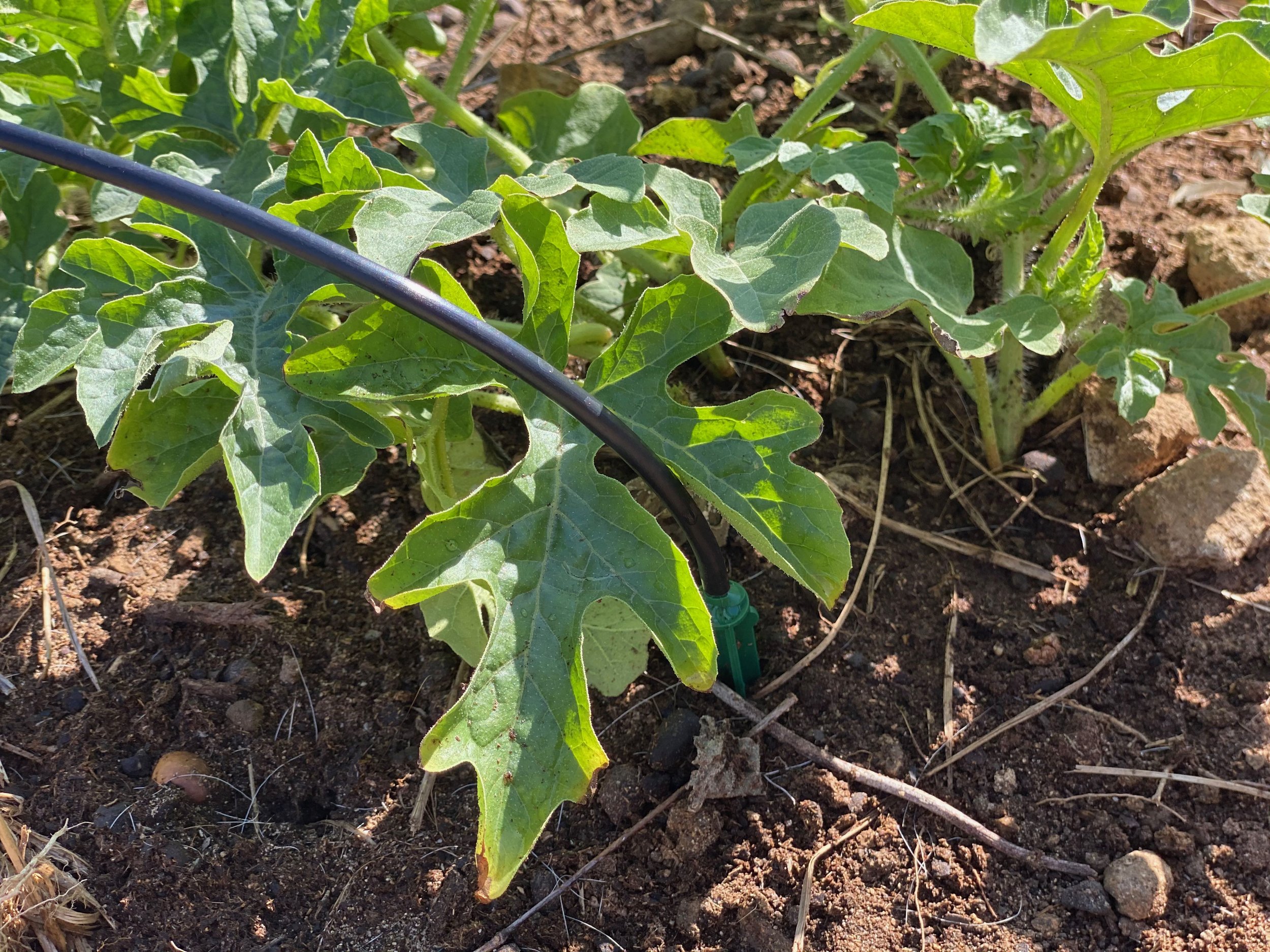
Solar powered pumps driving drip irrigation systems
Solar powered thermal hot water systems
One room solar for hurricane disaster recovery
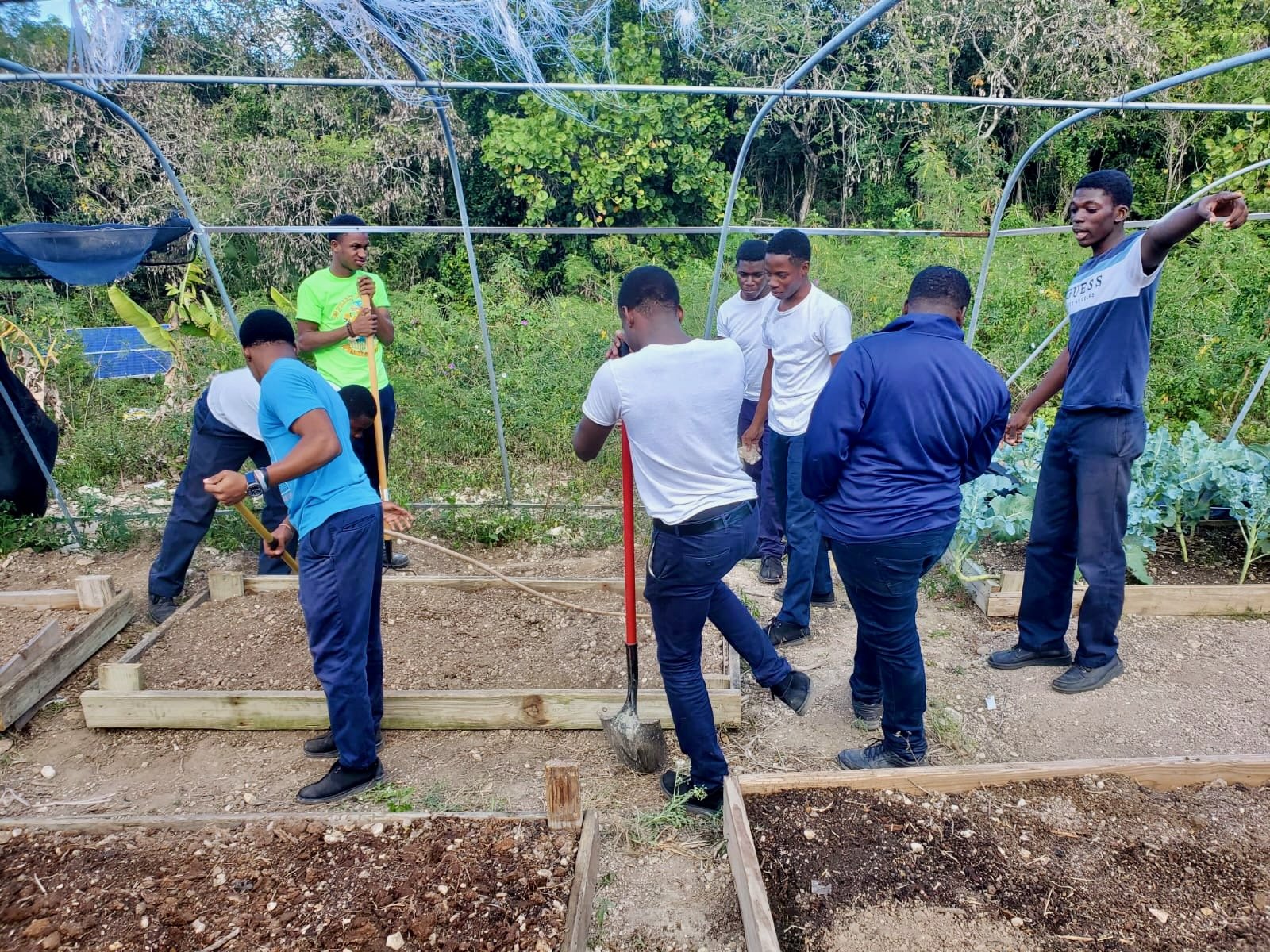
SOLAR TUTORIAL FARMS—Powered by Nature and Youth
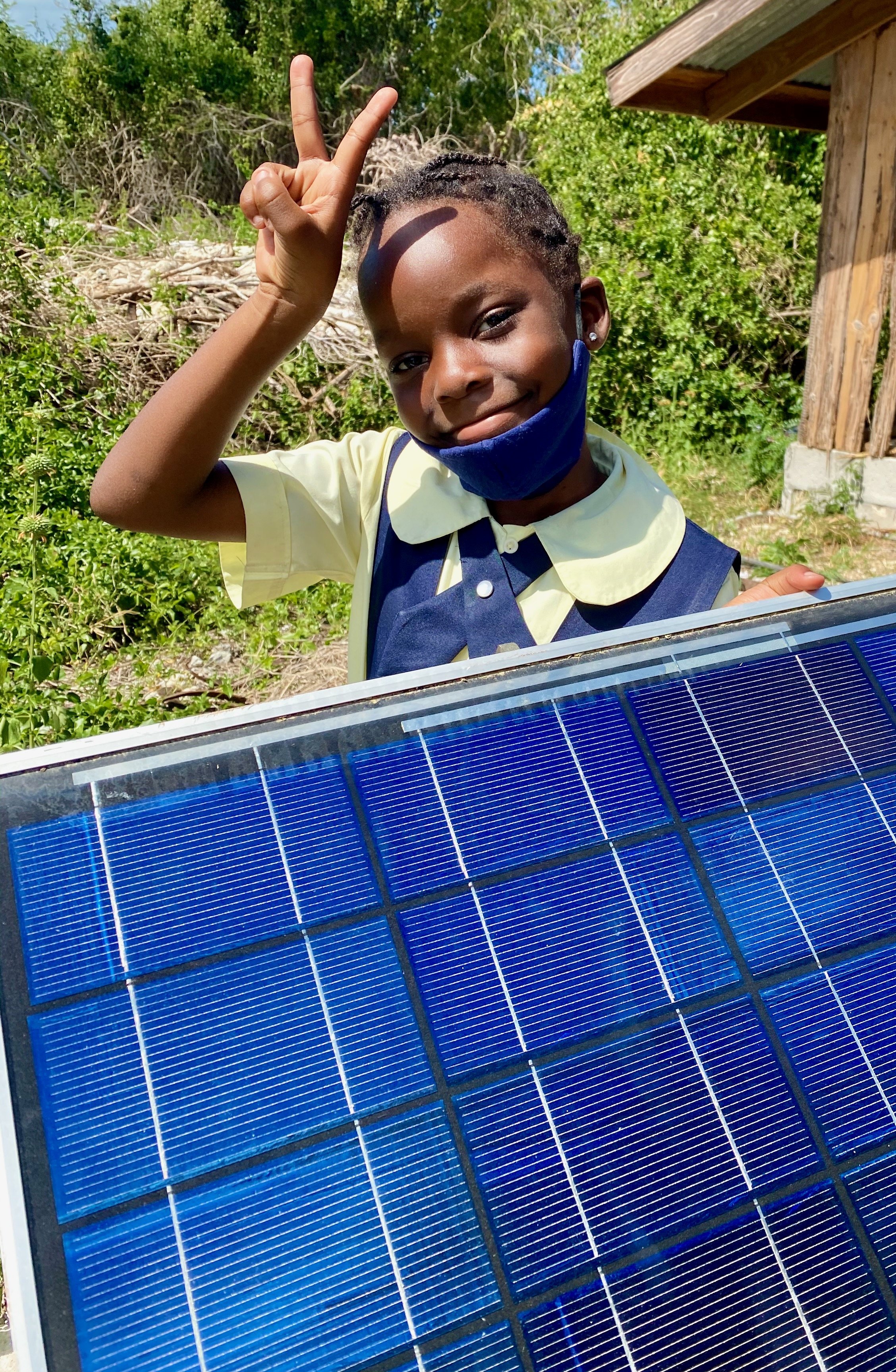
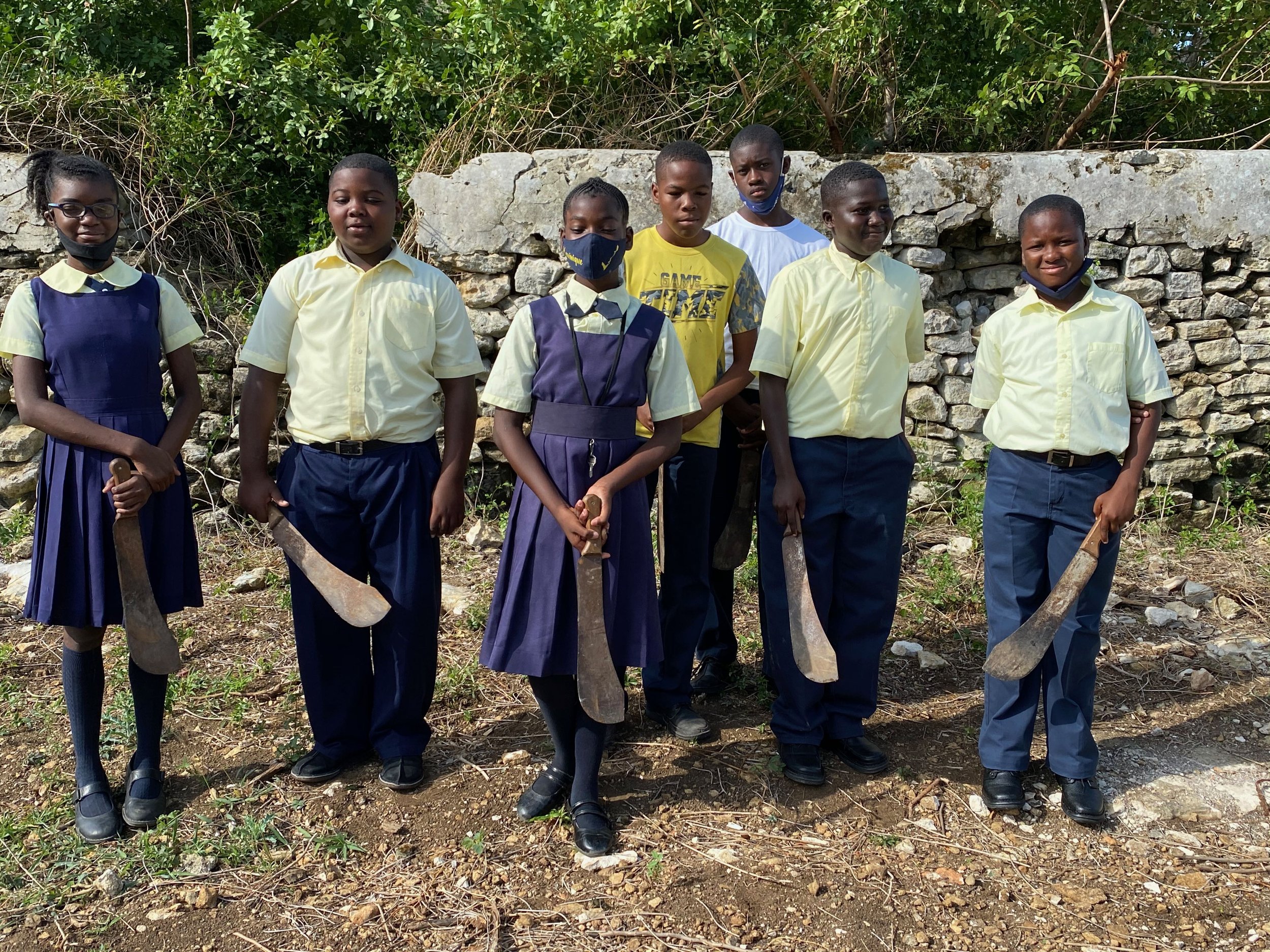
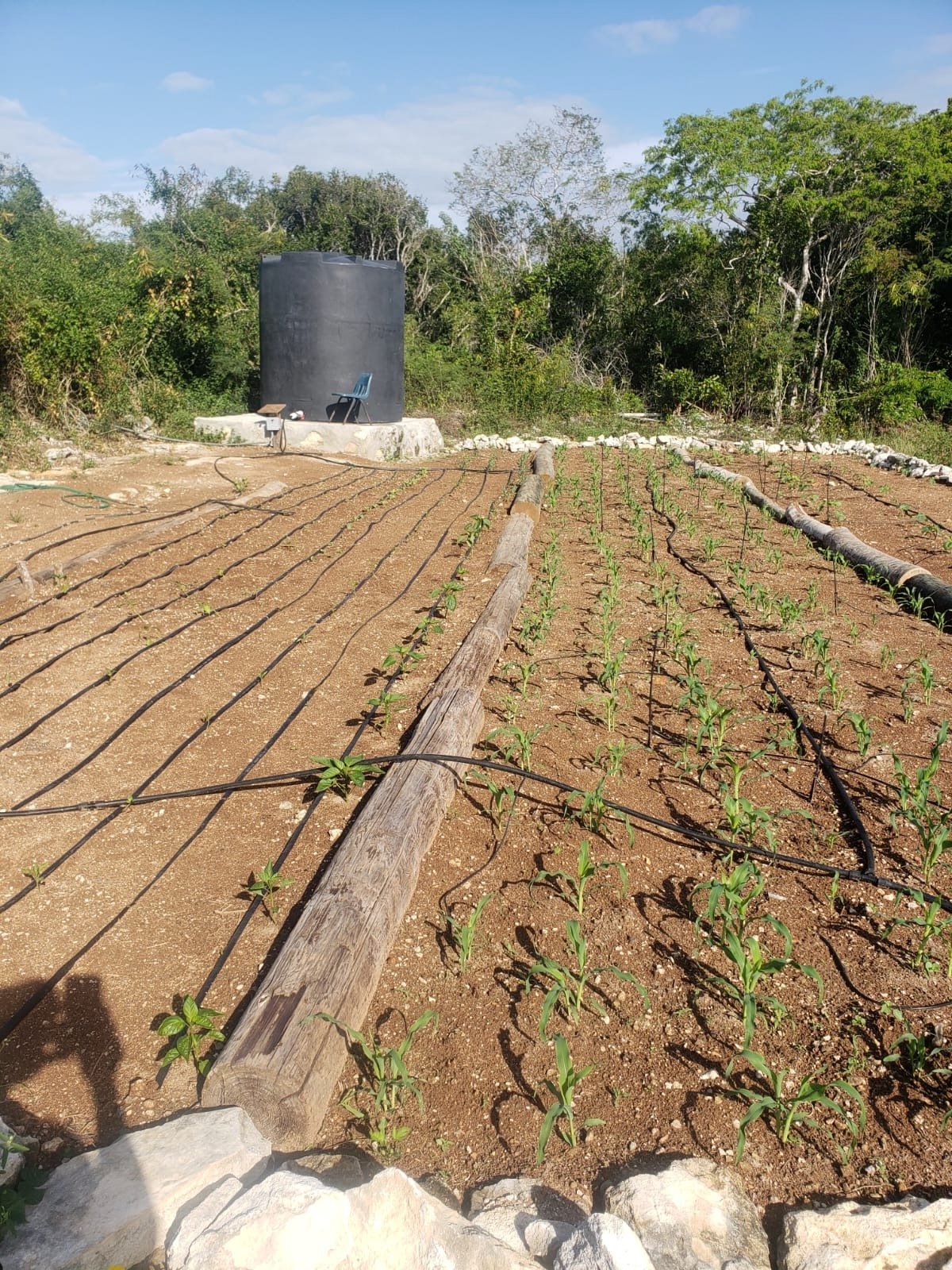
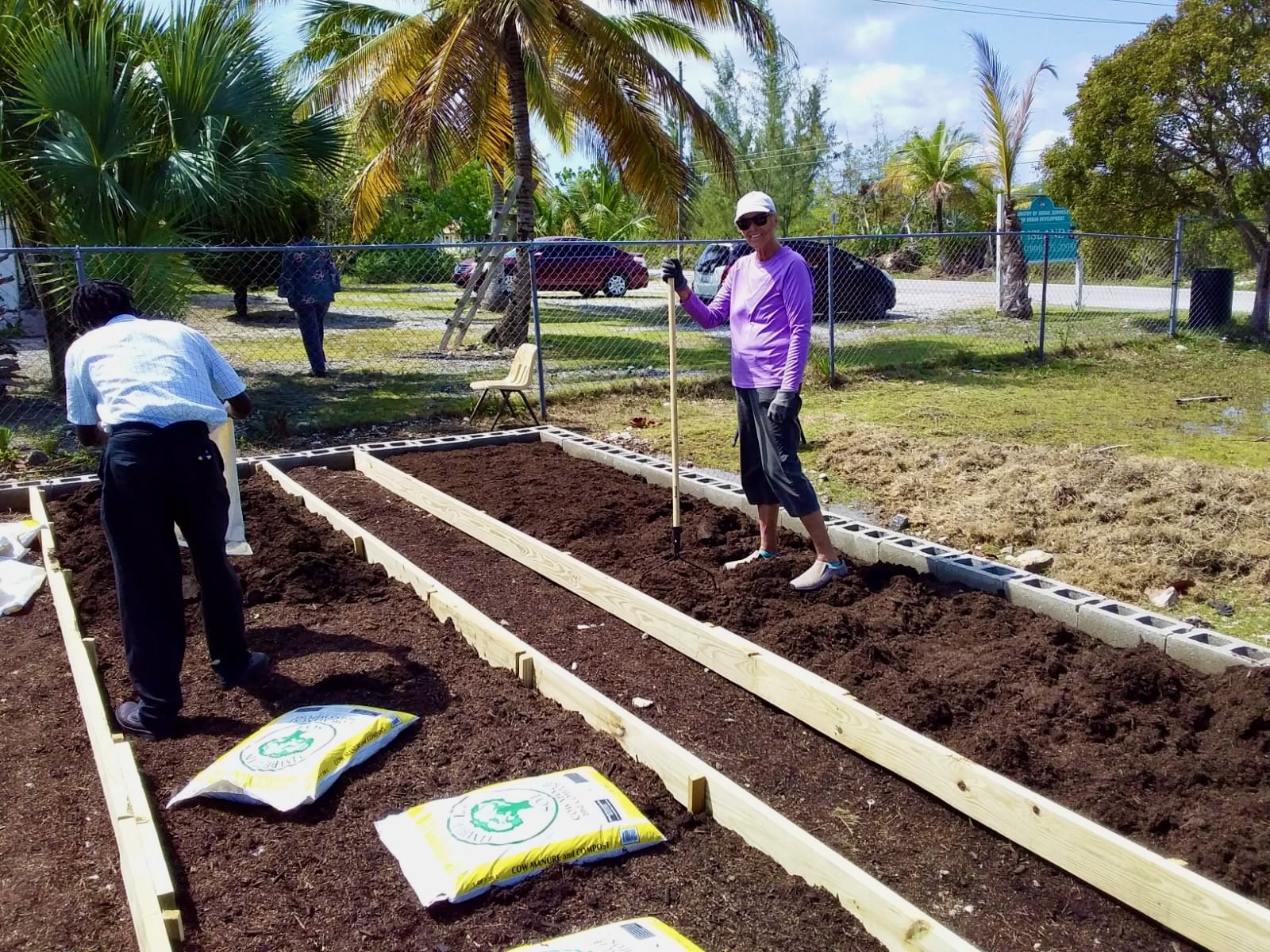
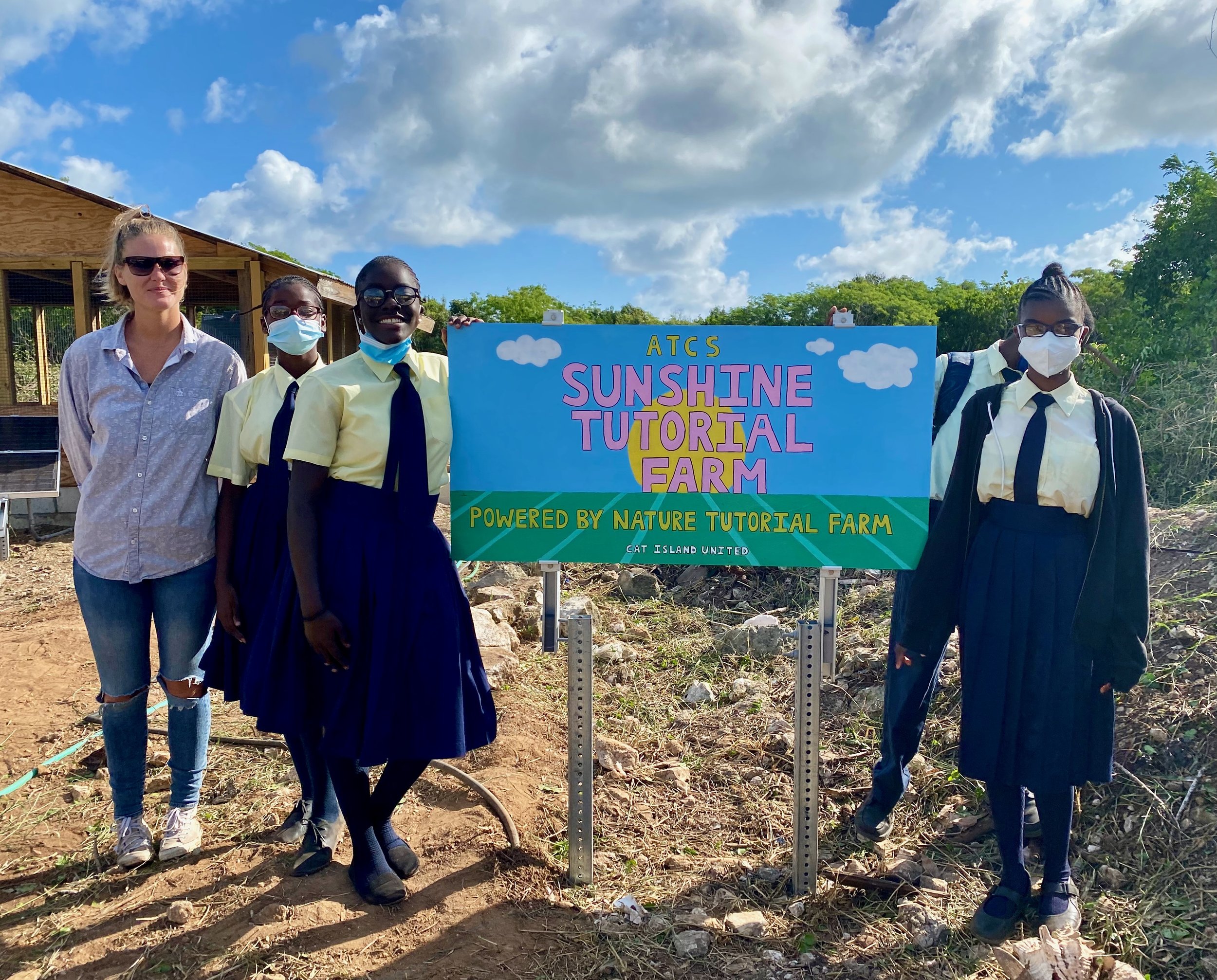
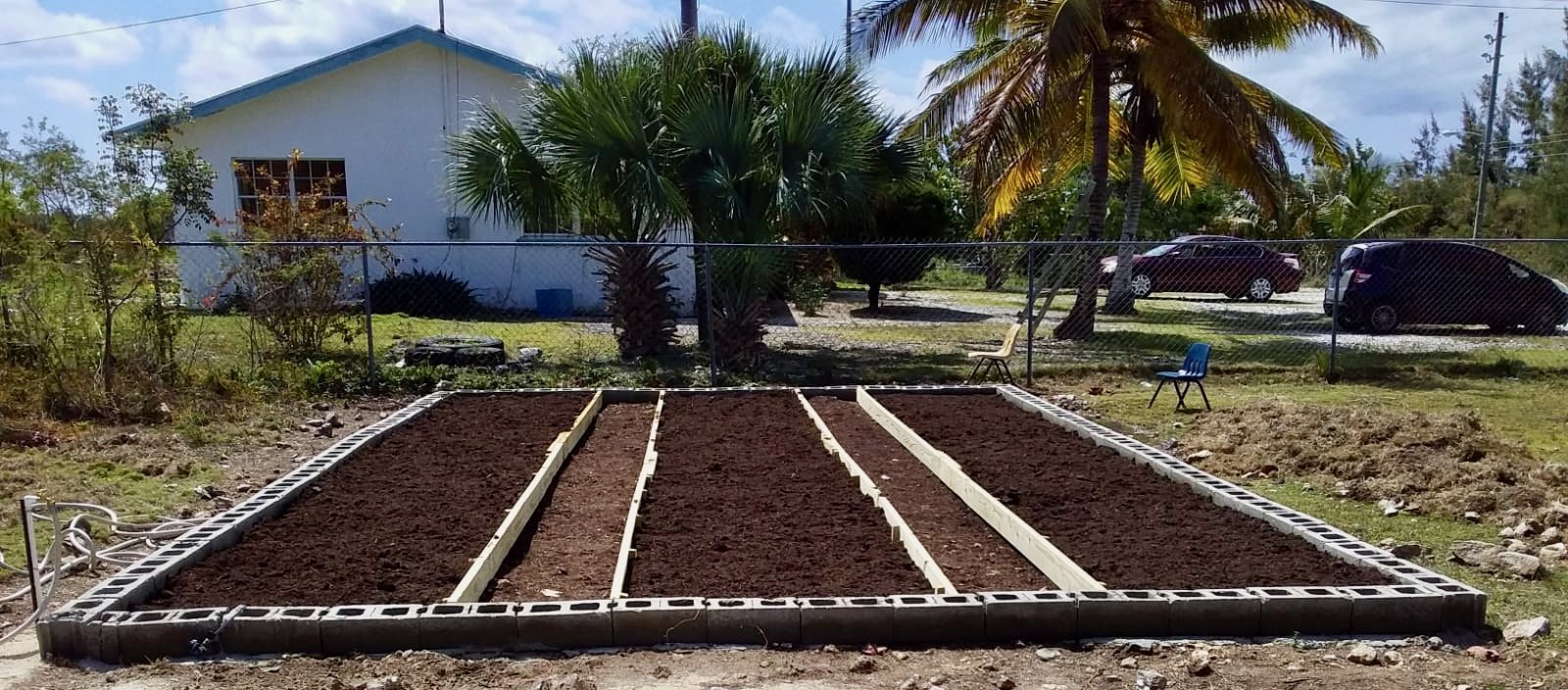
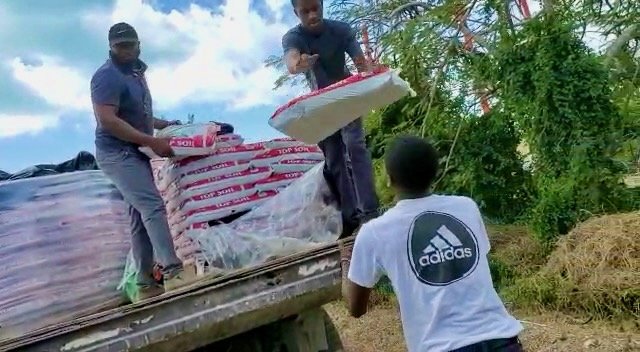
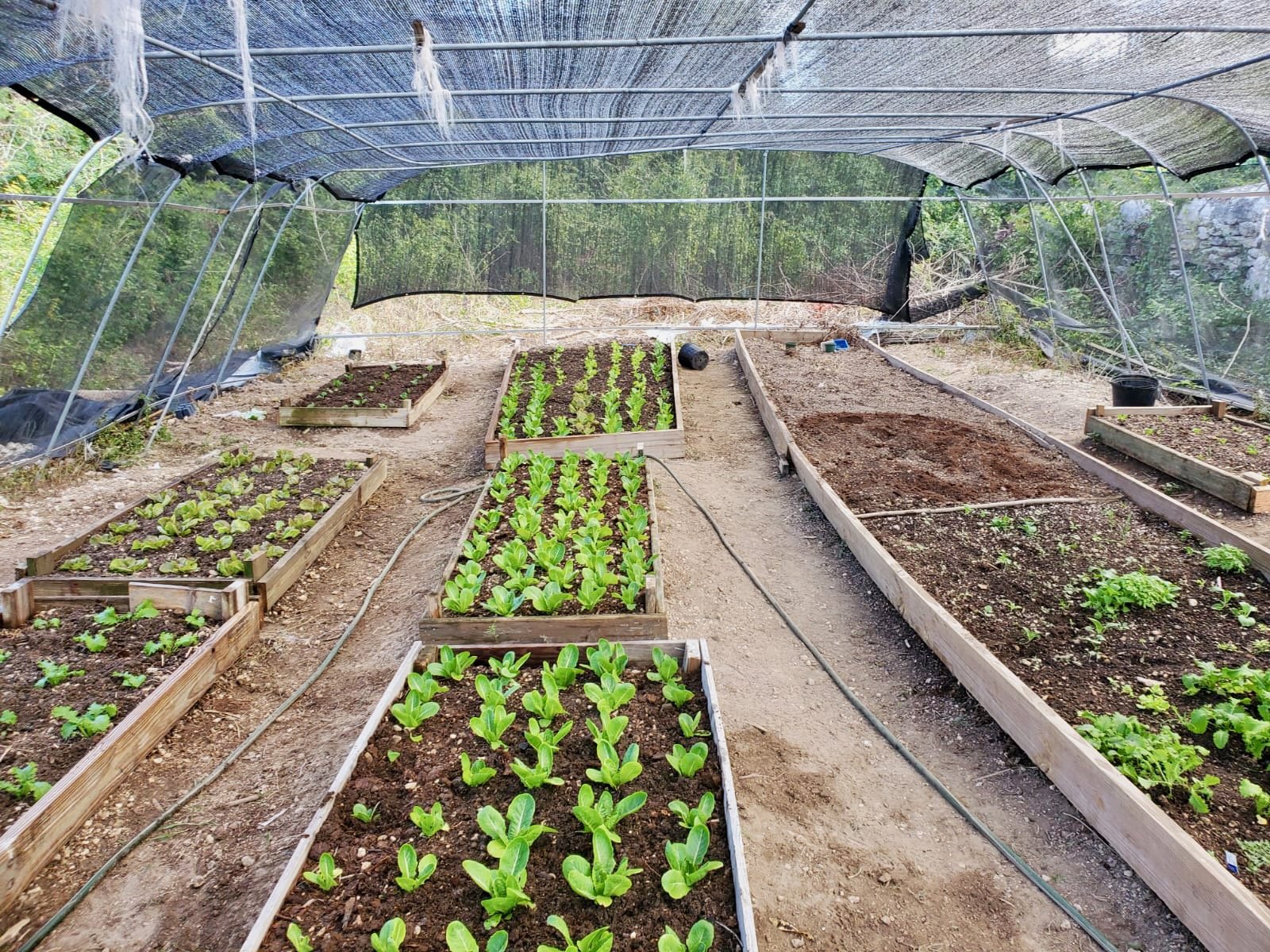
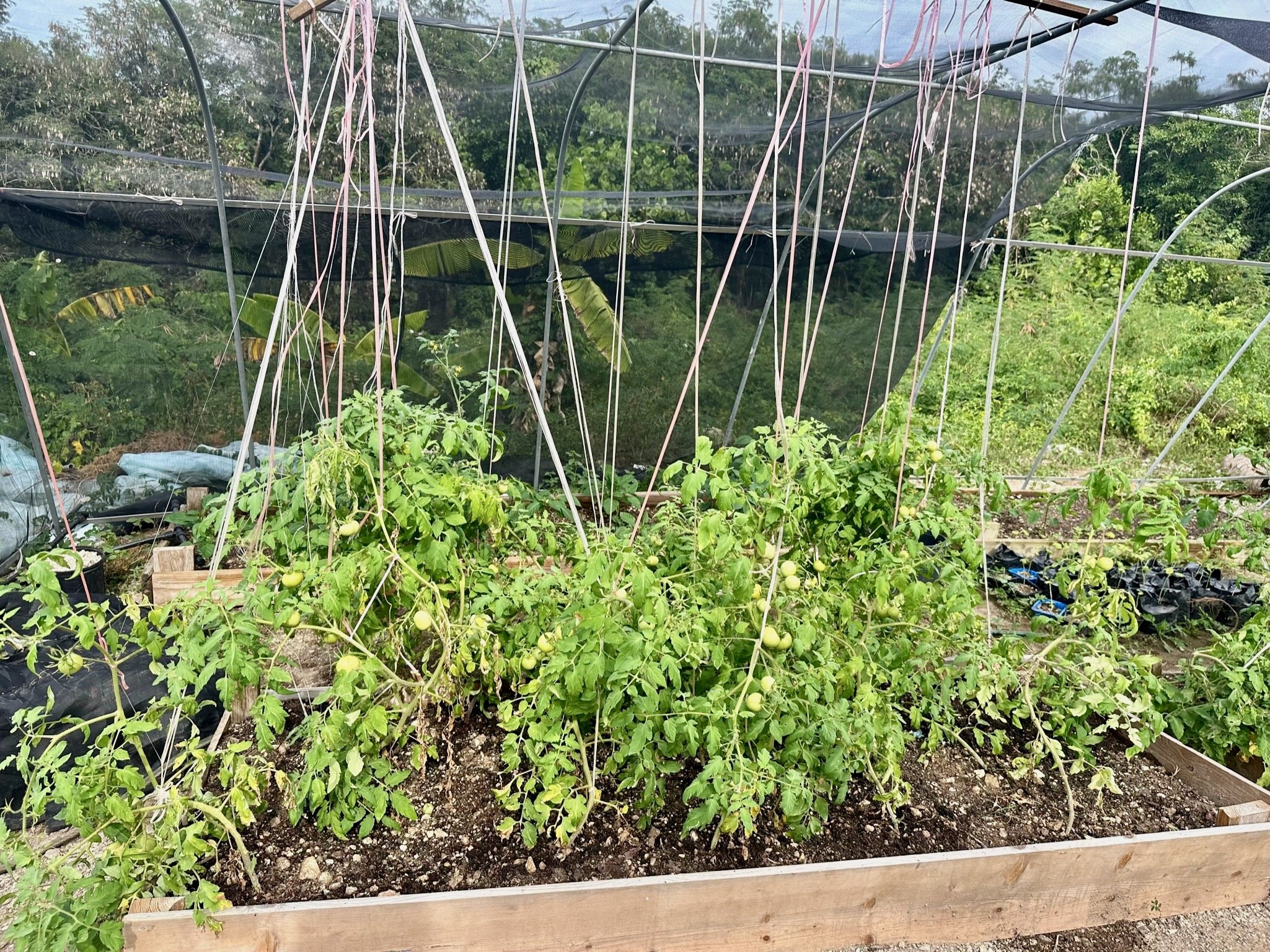
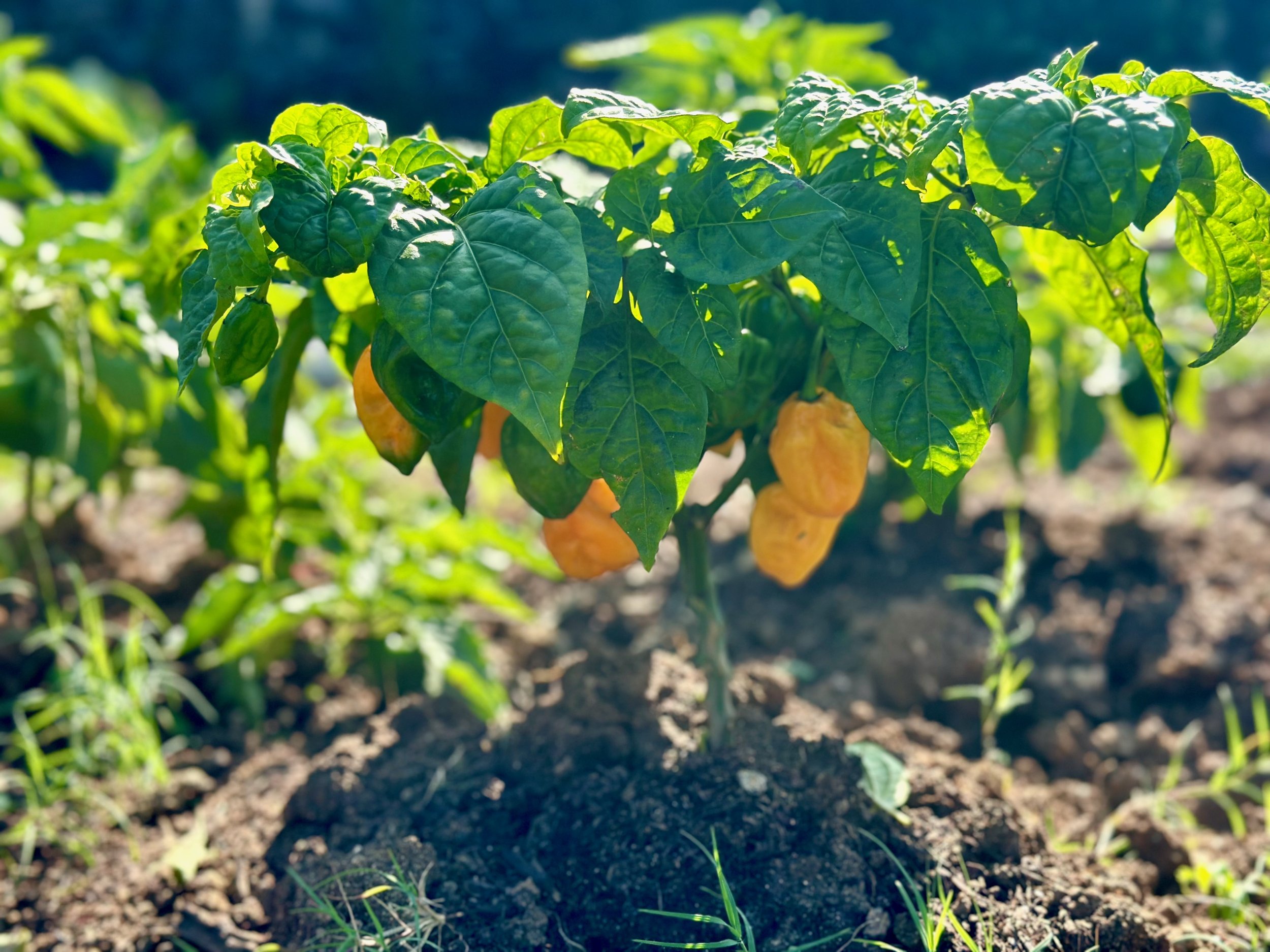
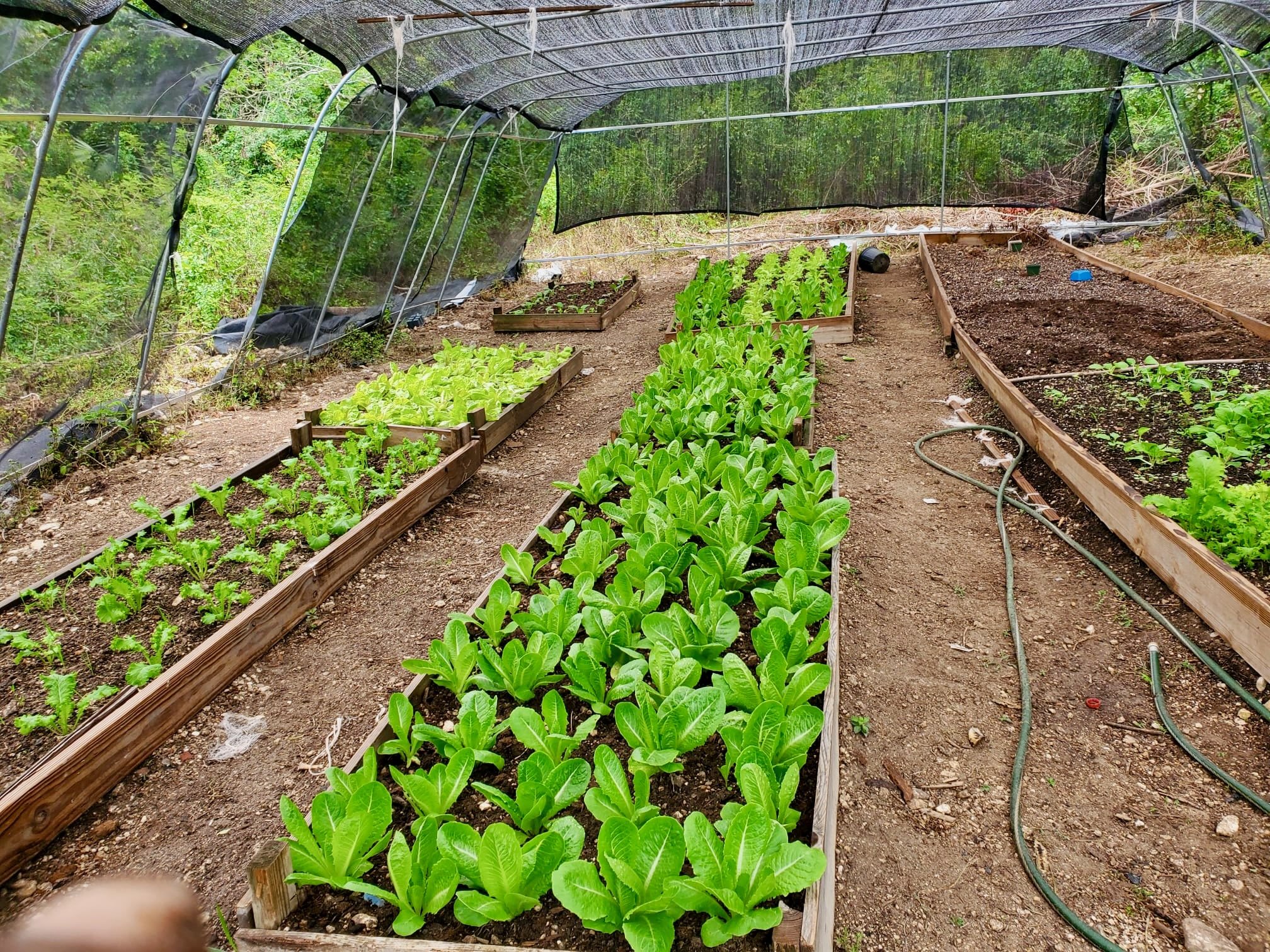
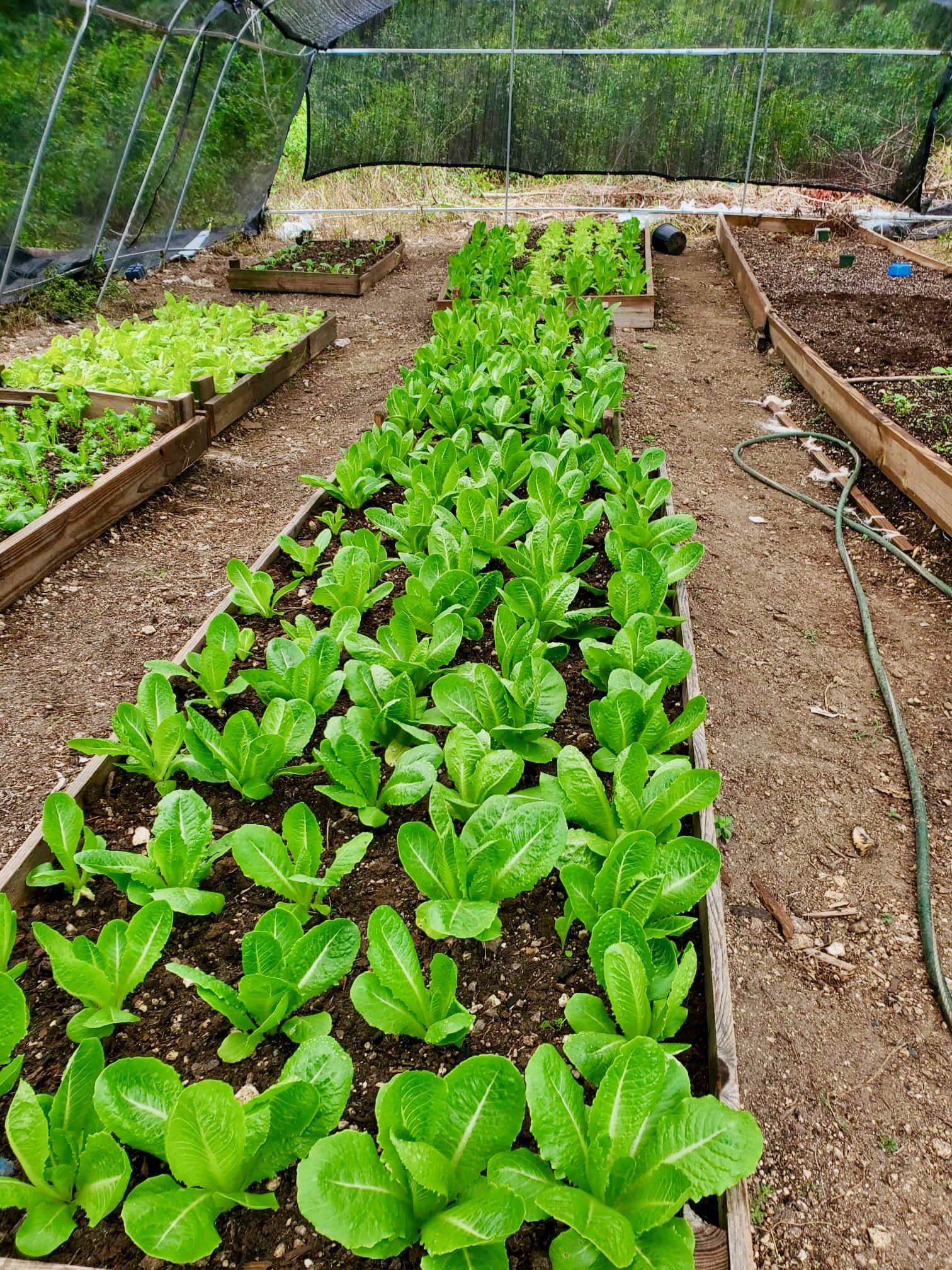
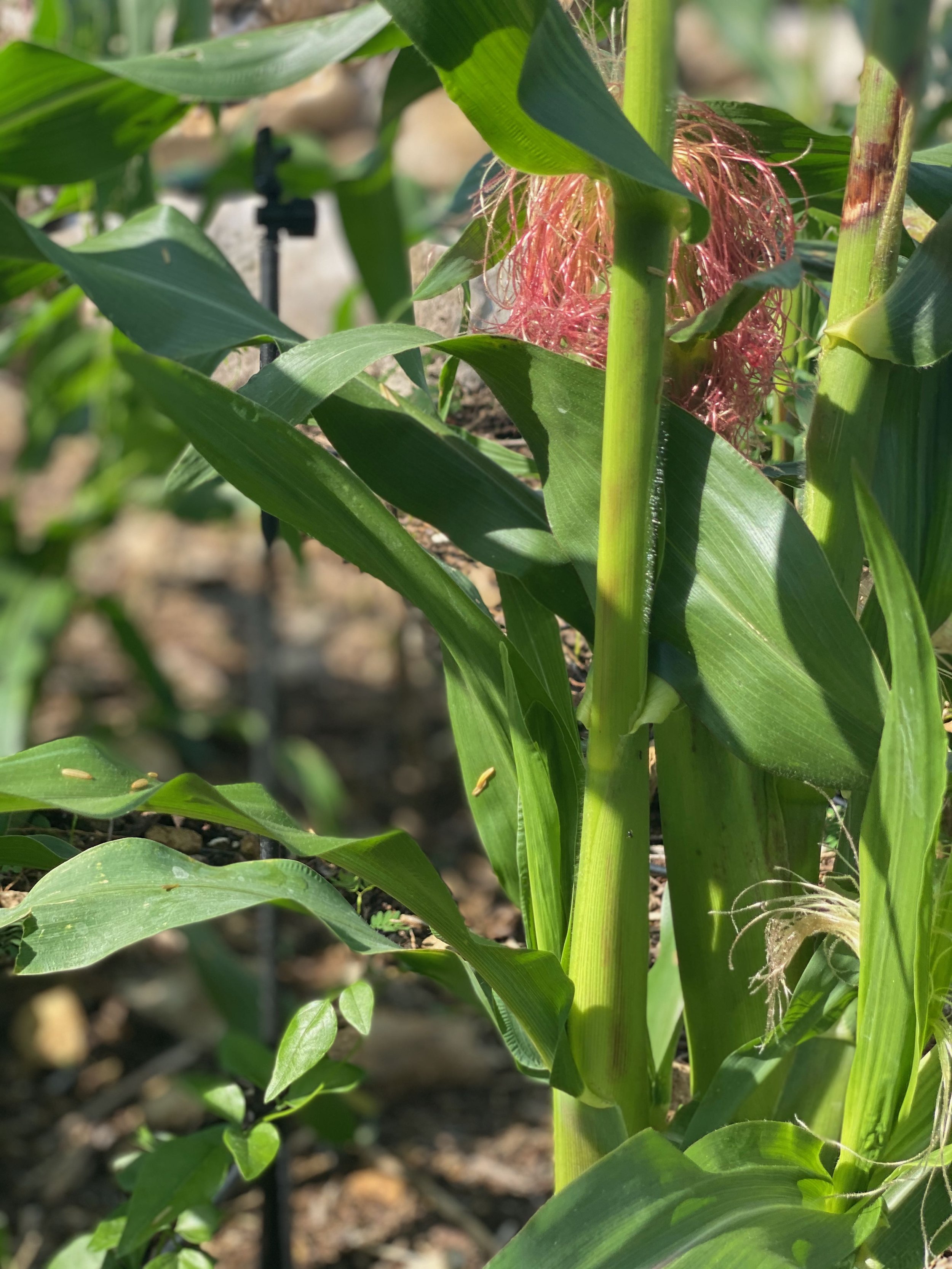
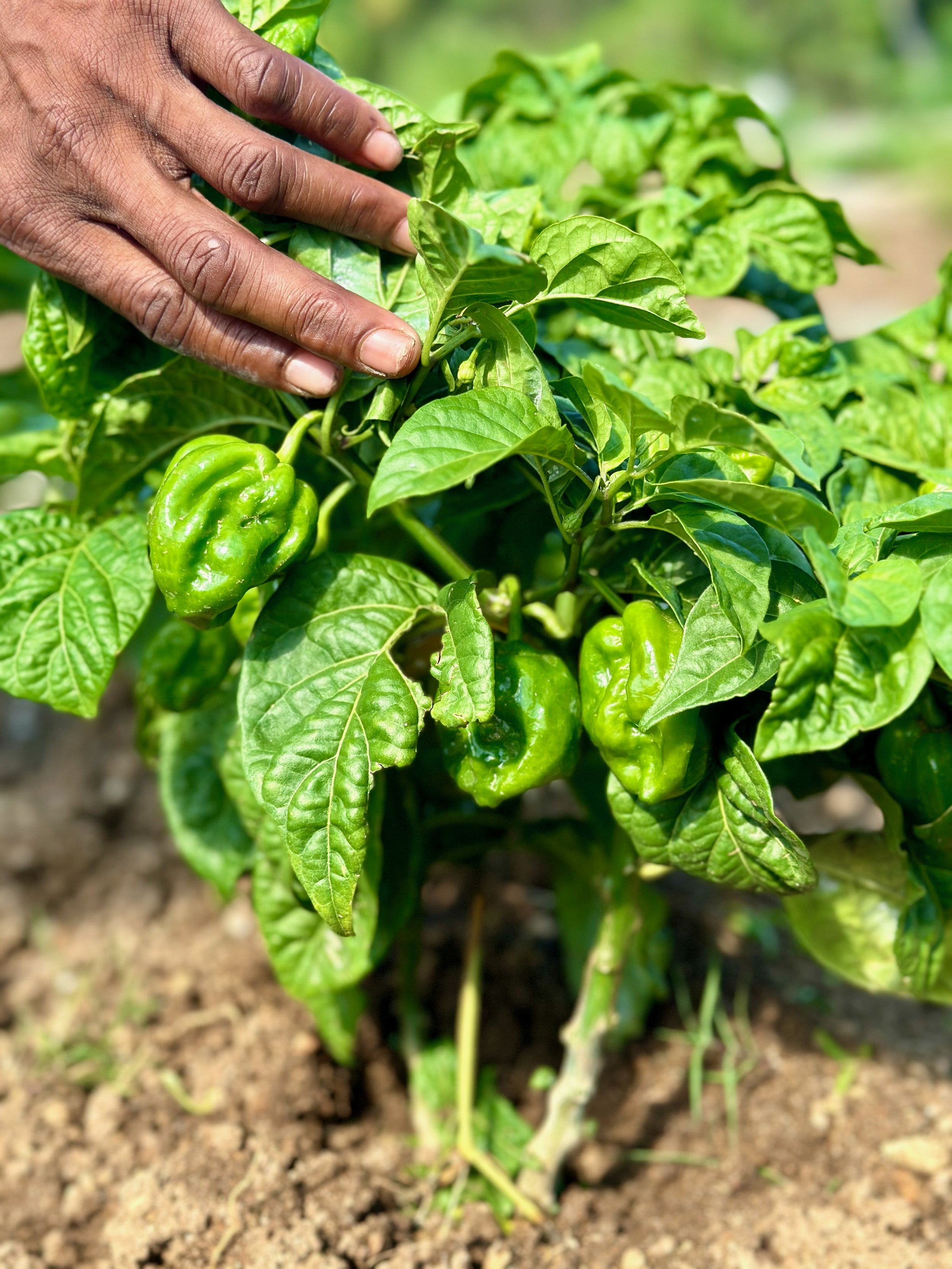
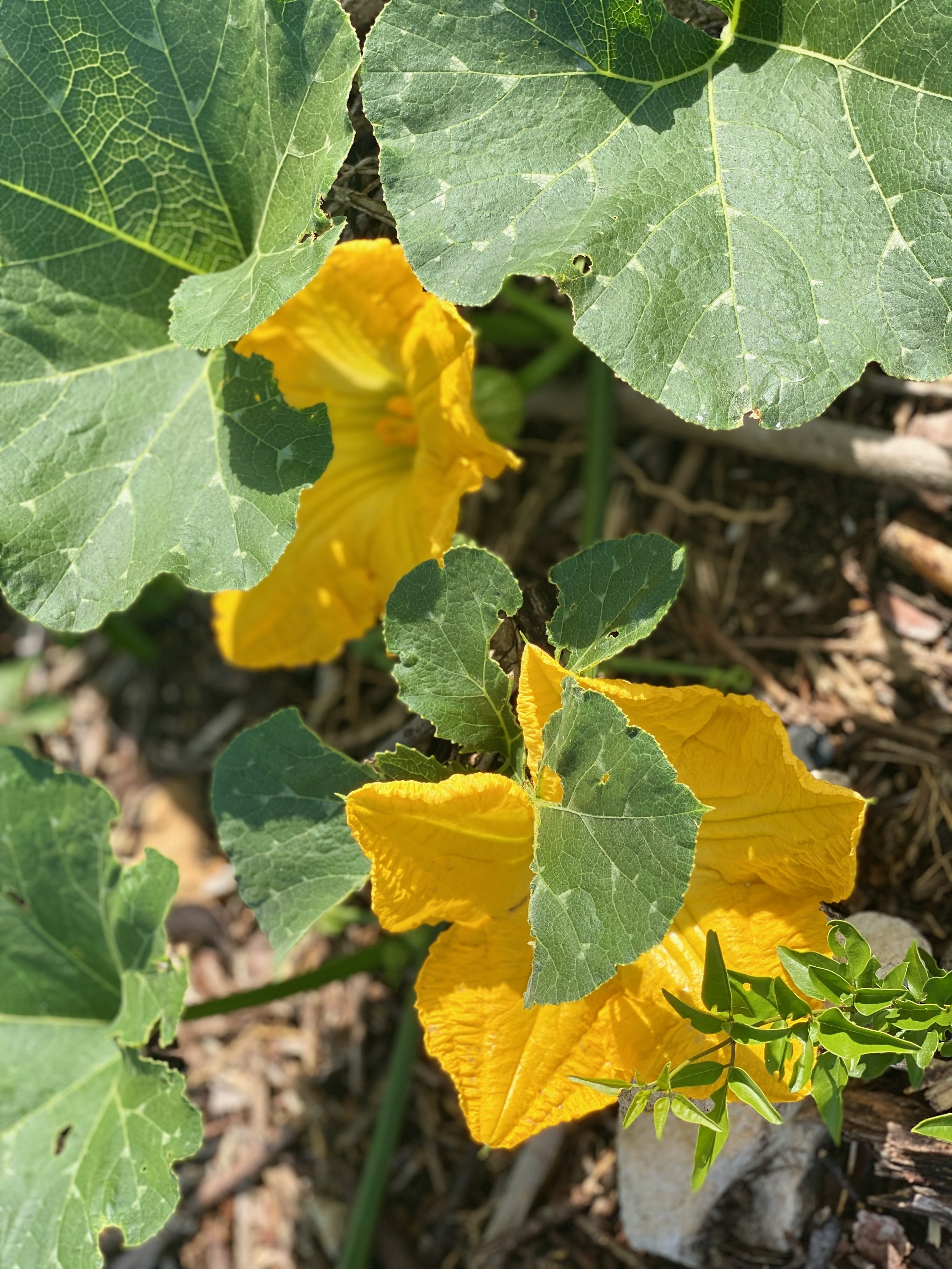
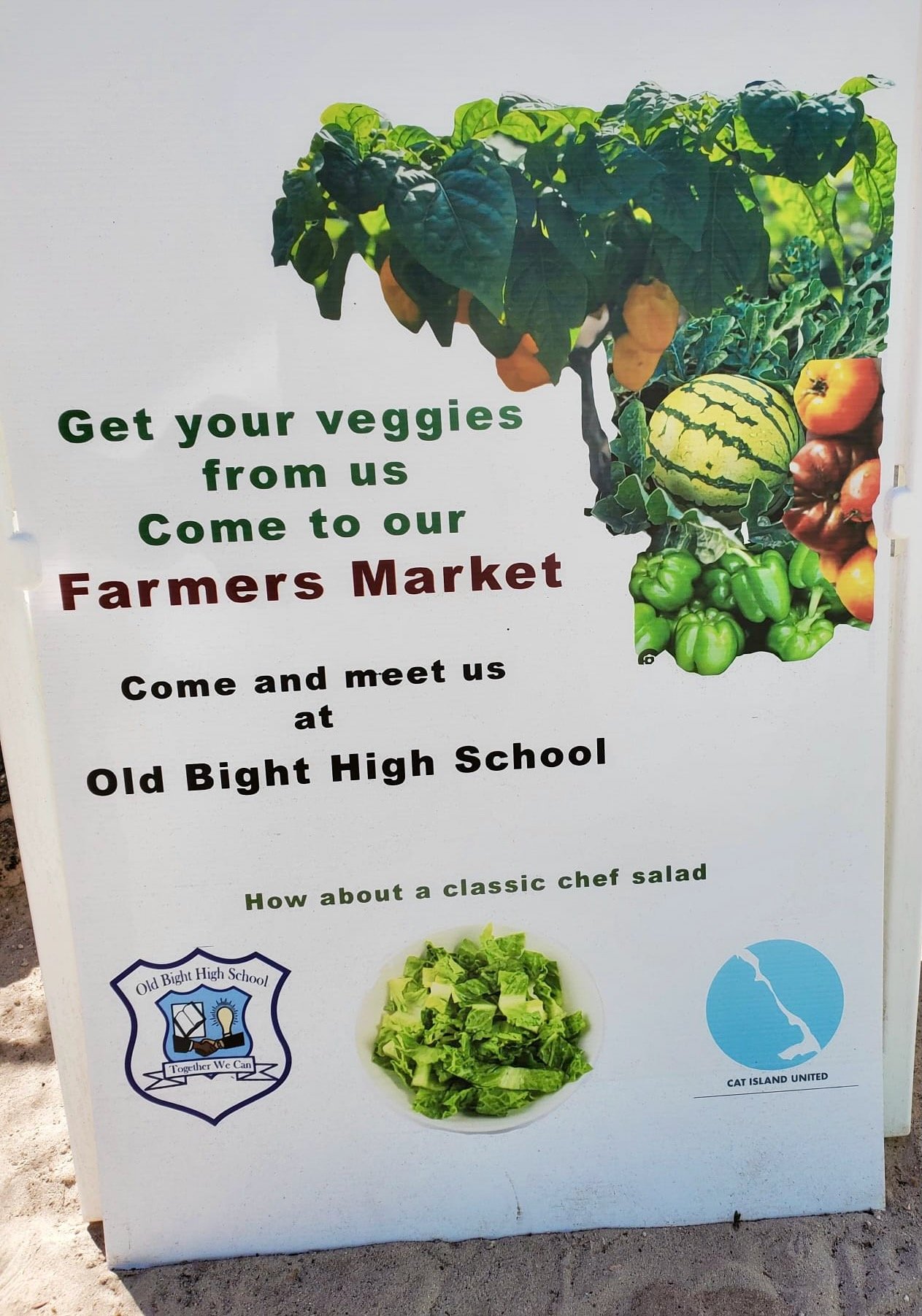
With the help of the UNDP Global Environment Fund (GEF) Small Grants Program, CIU worked with students and teachers to build the Sunshine Tutorial Farms. These support the agriculture, science, technology and business academic programs. Students are involved from front to back—building, plant, weeding, growing and selling.
Energy efficient: use the sun to power the pumps.
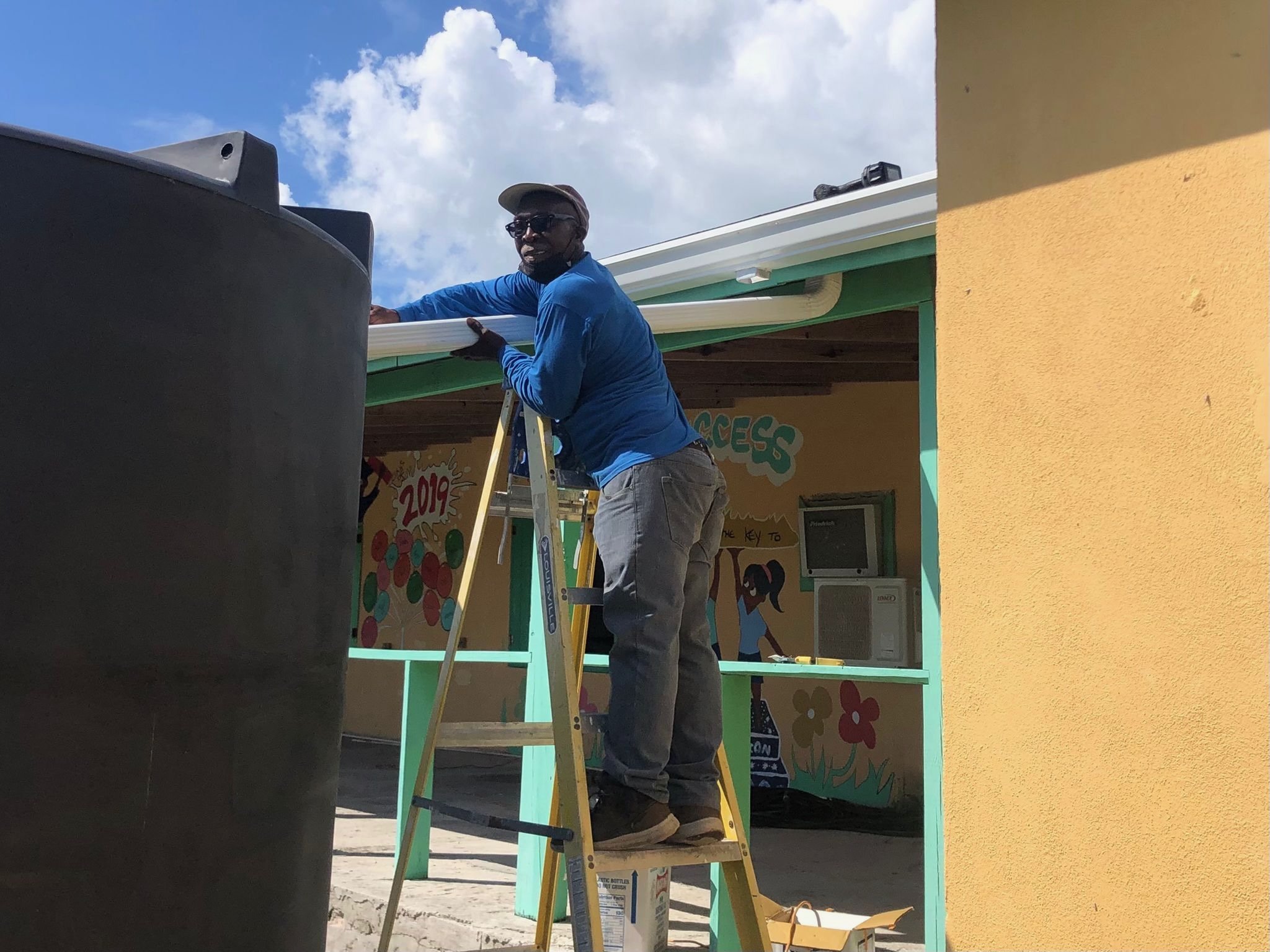
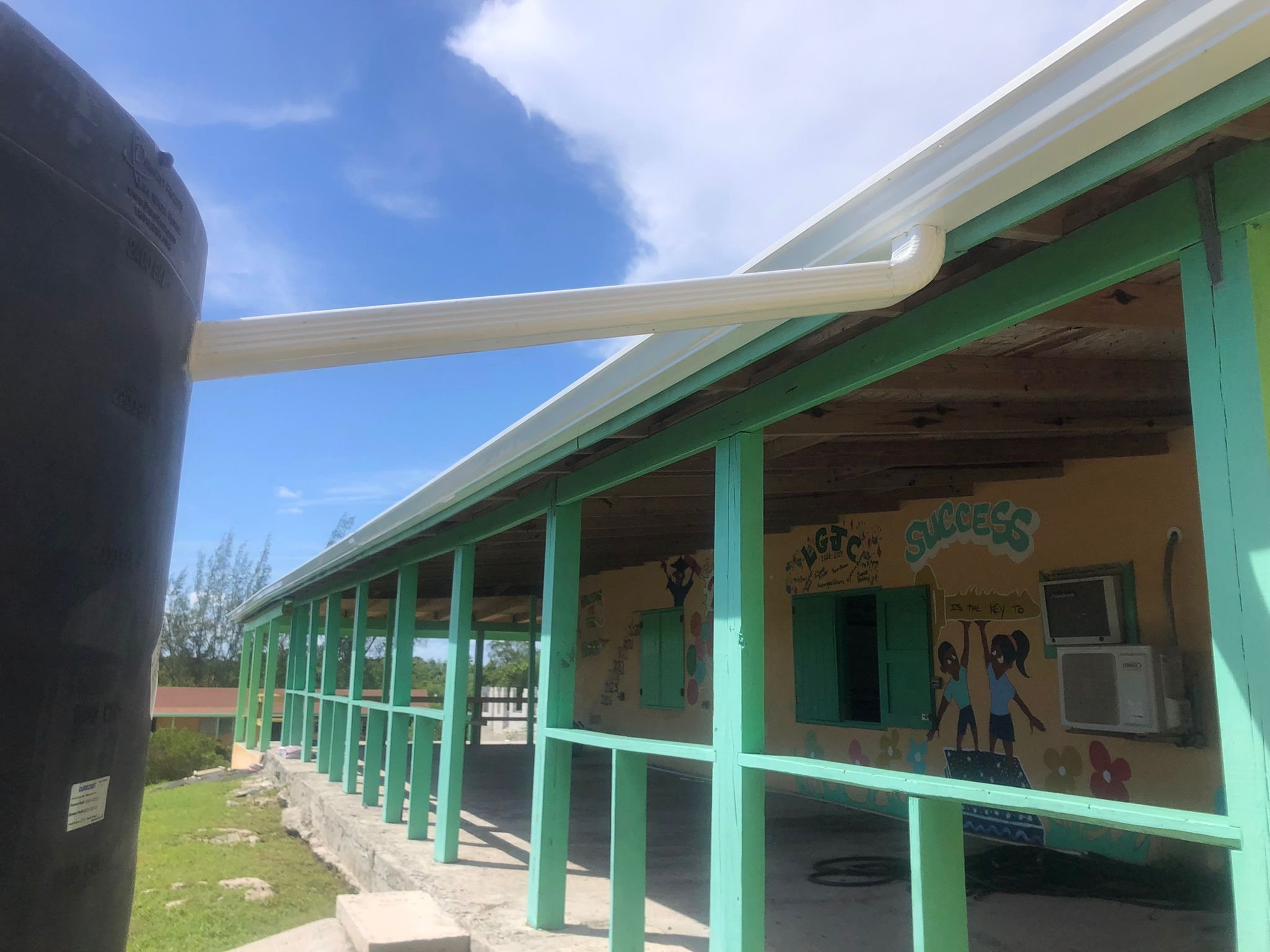
Water efficient: collect and store rainwater during the rainy season and deliver H2O through drip irrigation
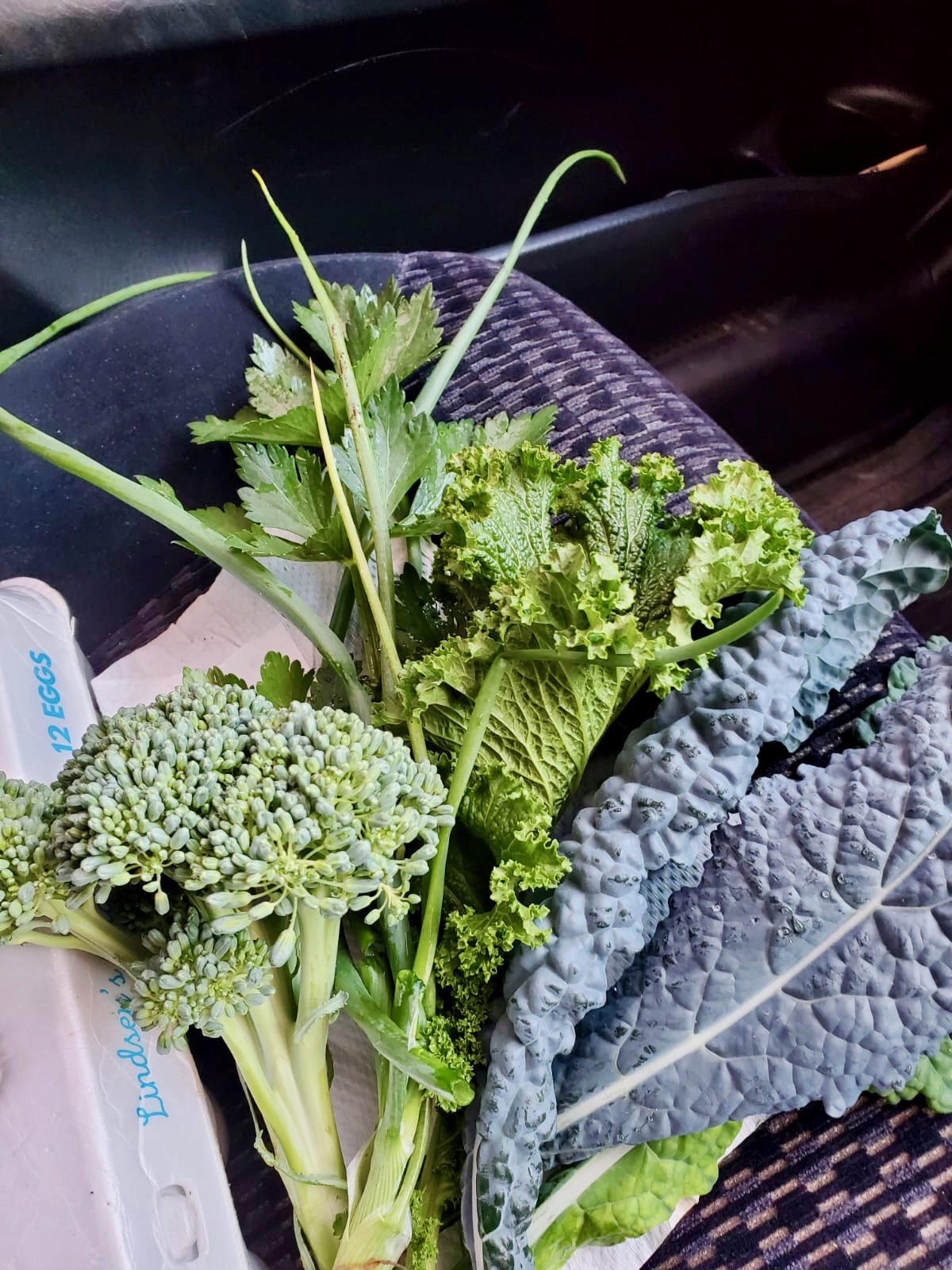
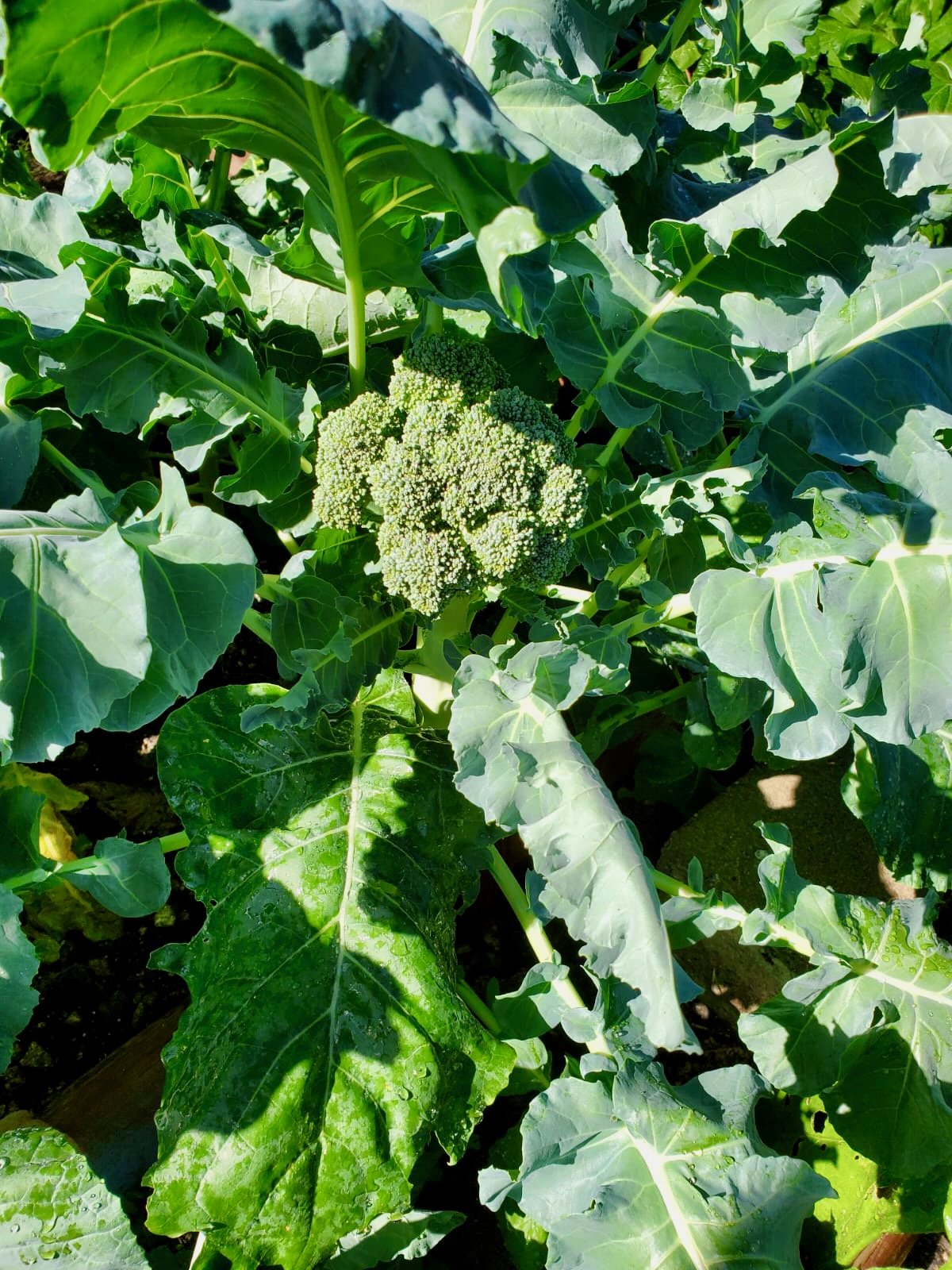
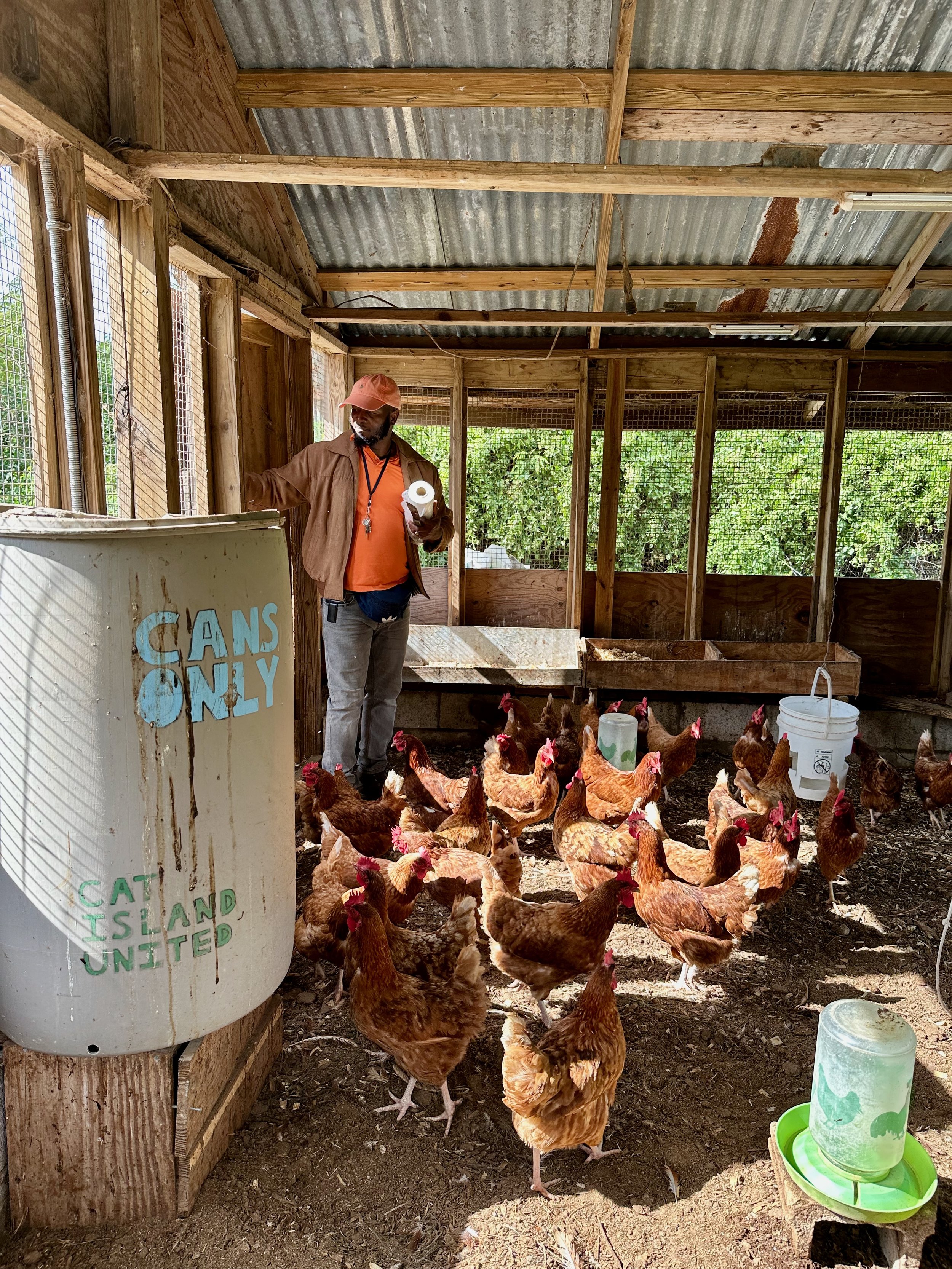
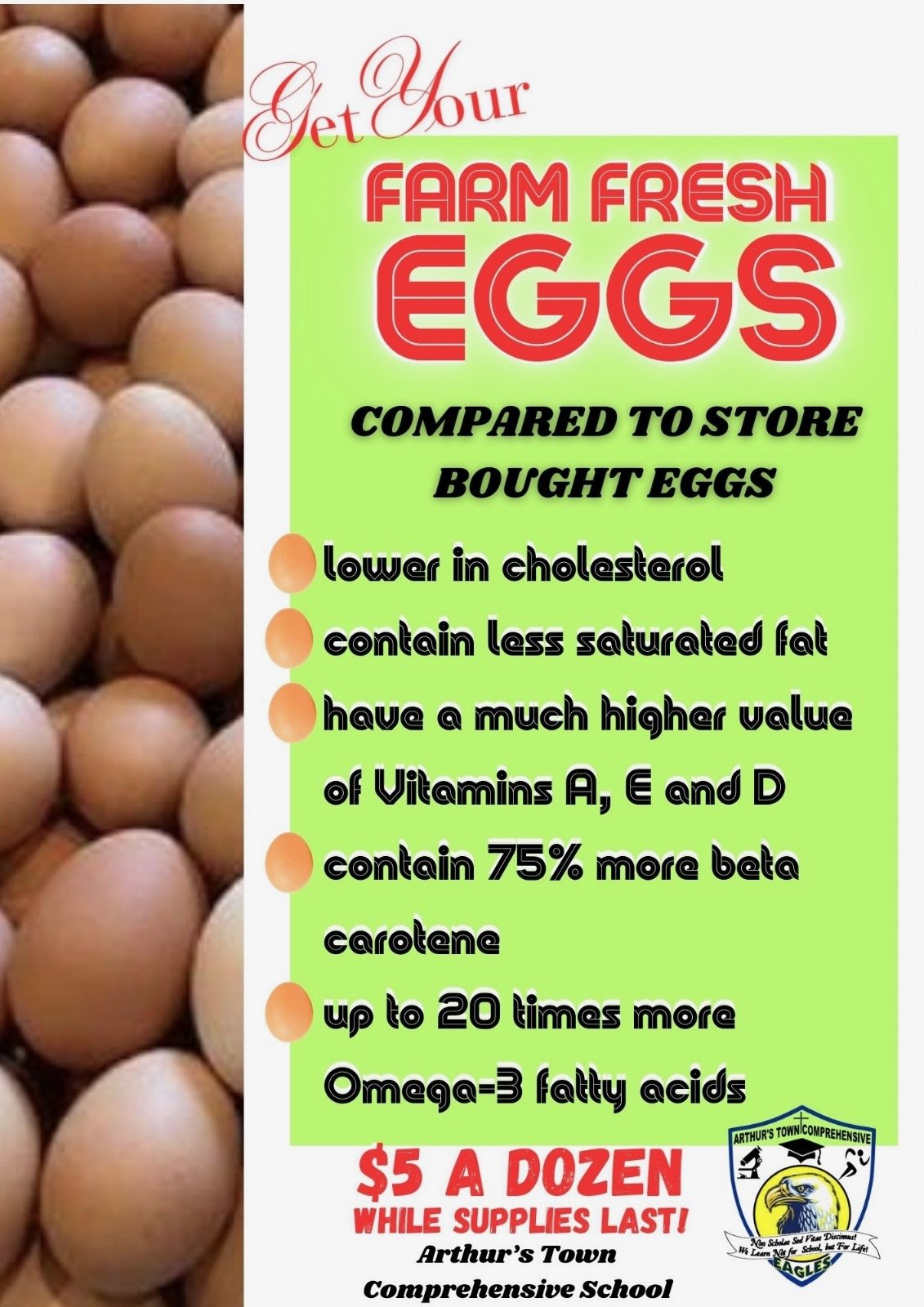
Healthy: fresh vegetables and eggs
Security: can always grow your own food
Love: for farming and new technology
Hawk’s Nest/Cutlass Bay










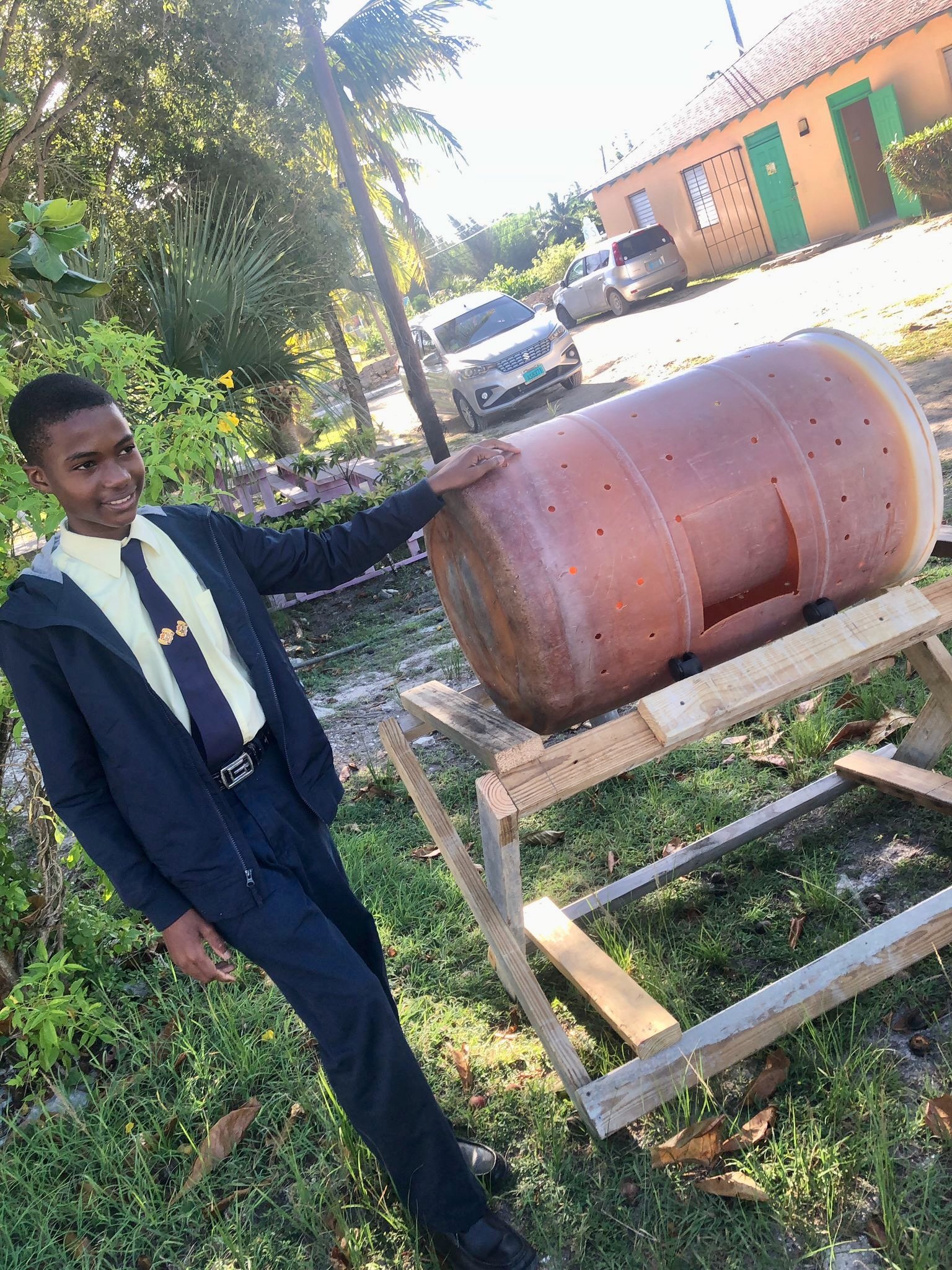
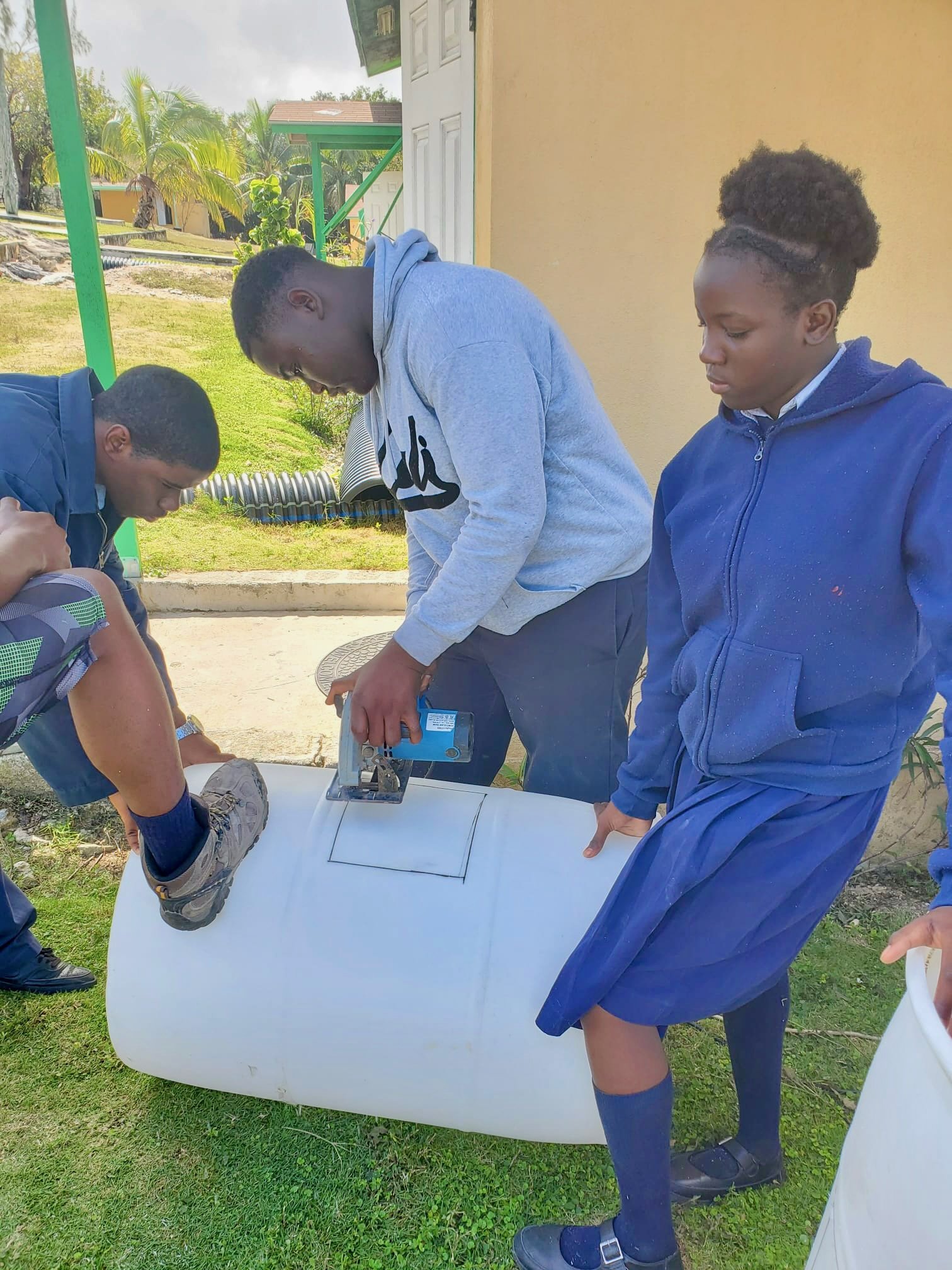
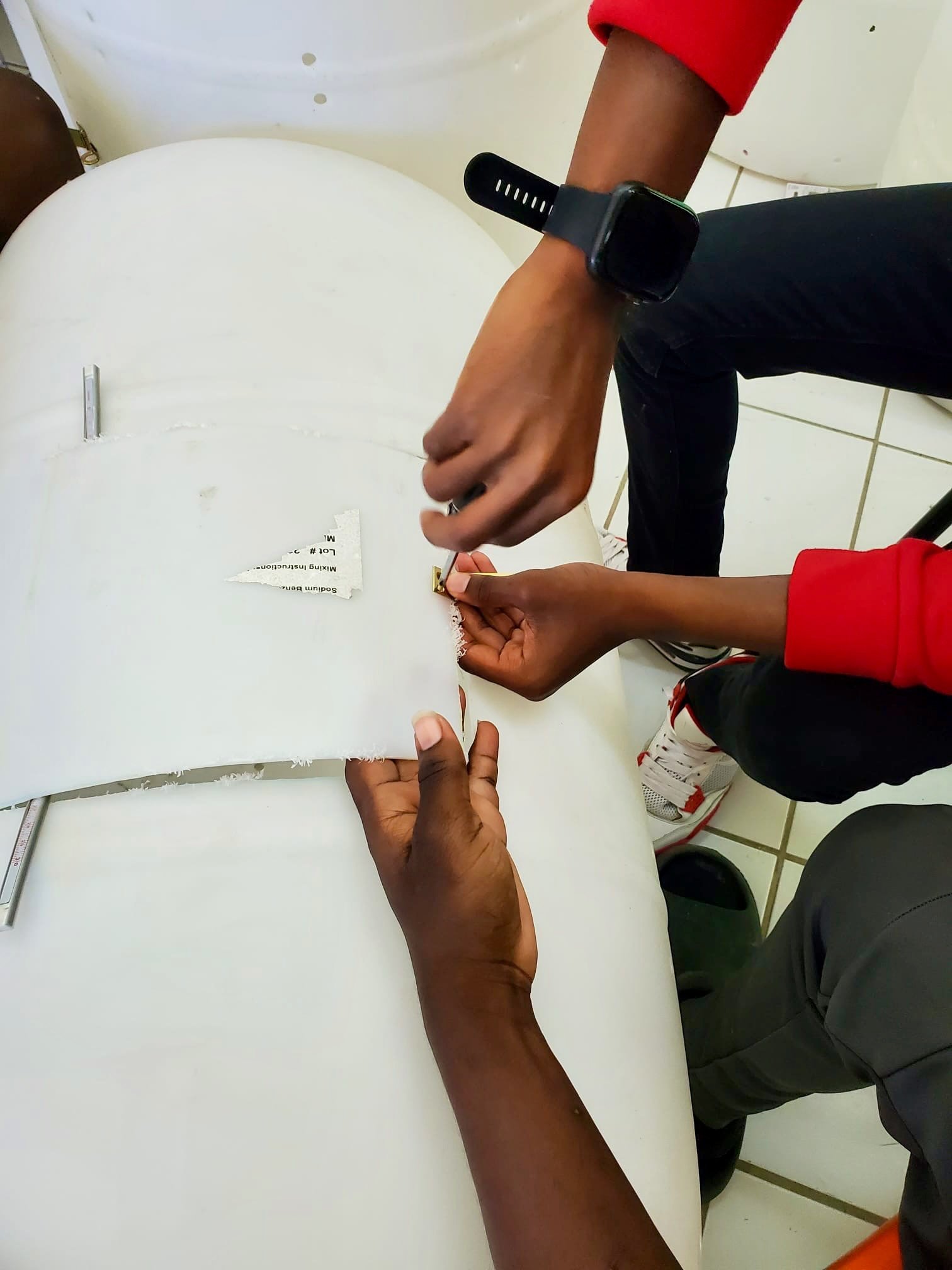
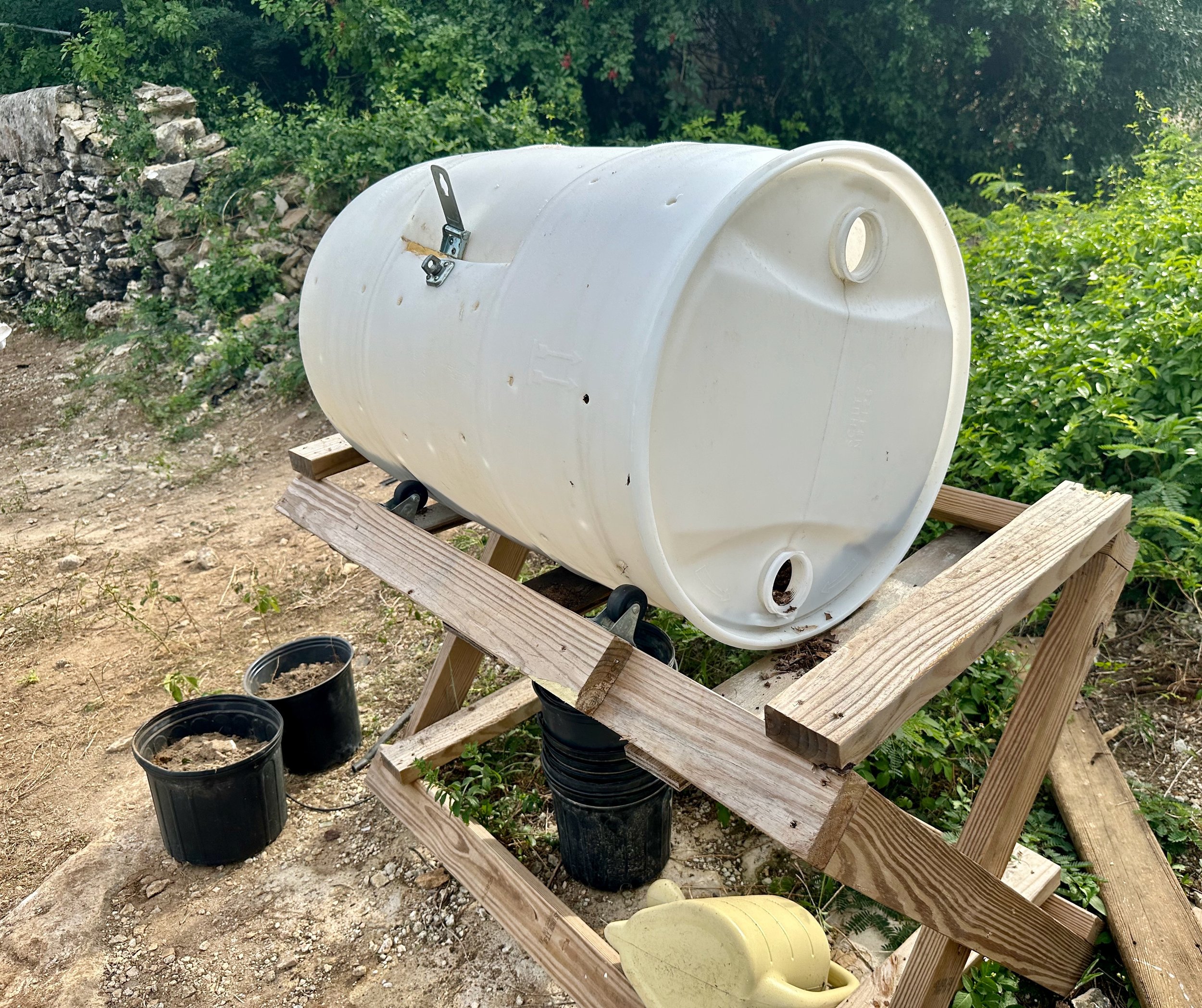
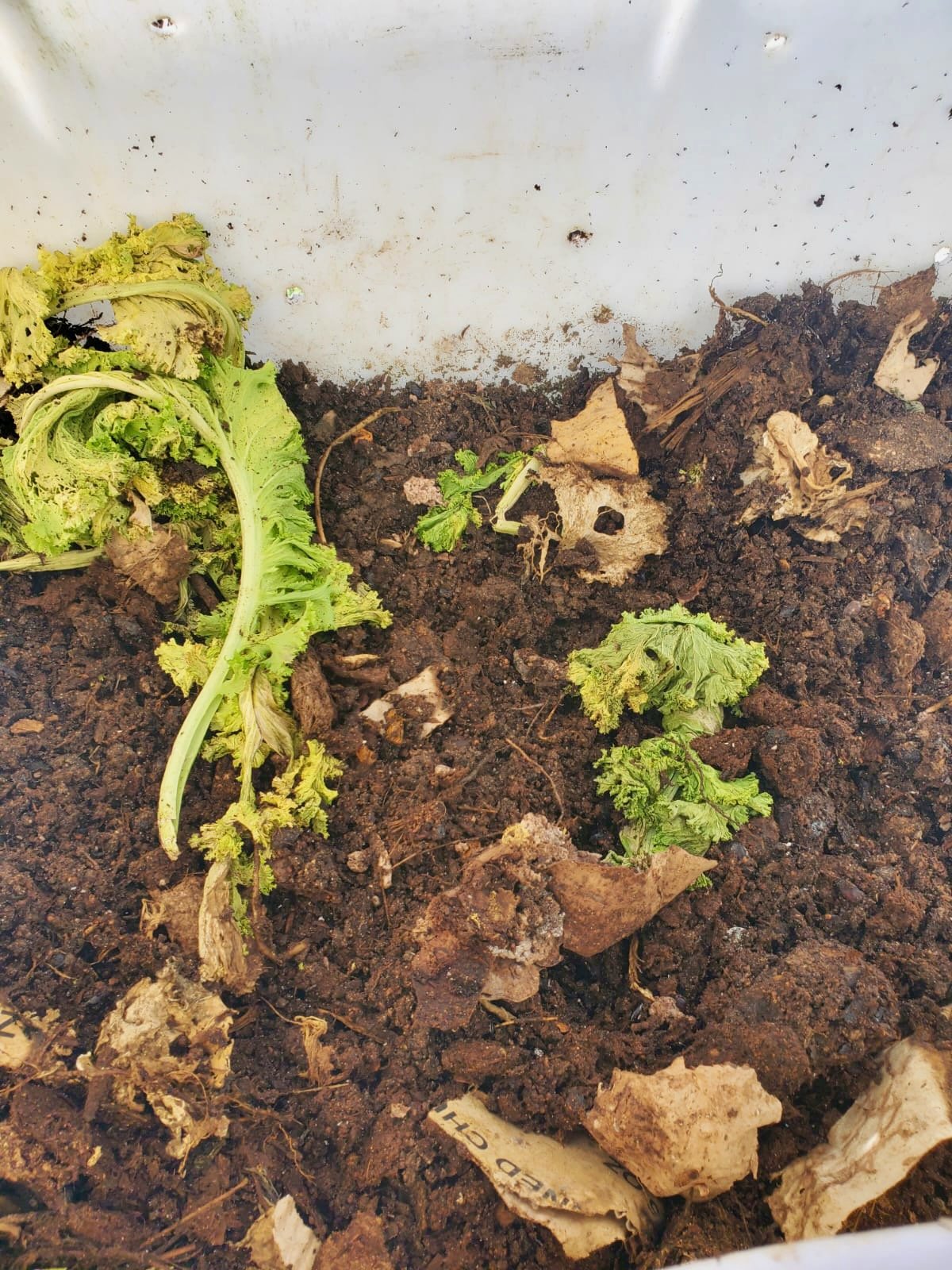
COMMUNITY COMPOSTING—Giving back!!
Vegetable matter + shredded leaves+water+sun =
nutritious soil for the farms
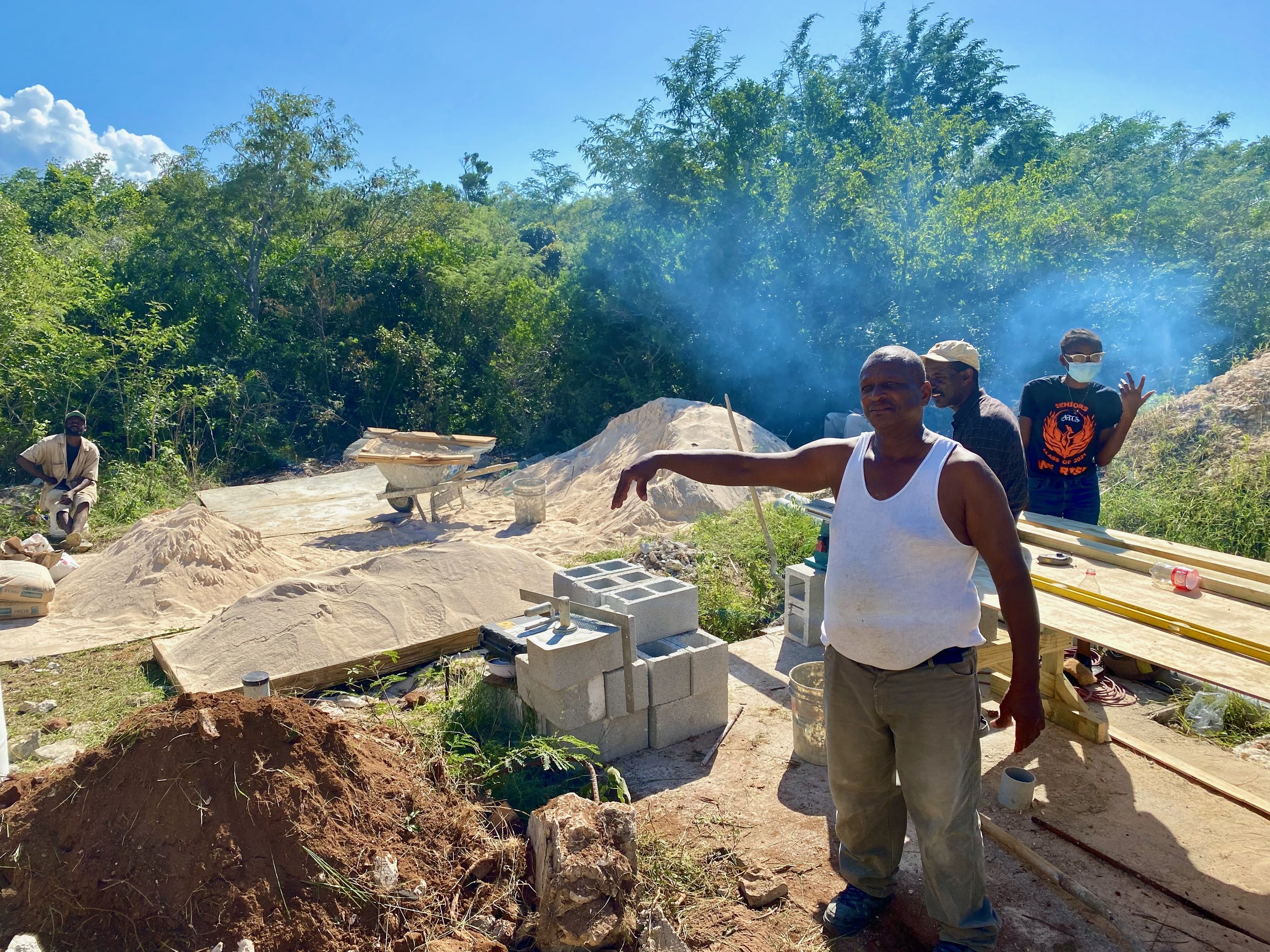
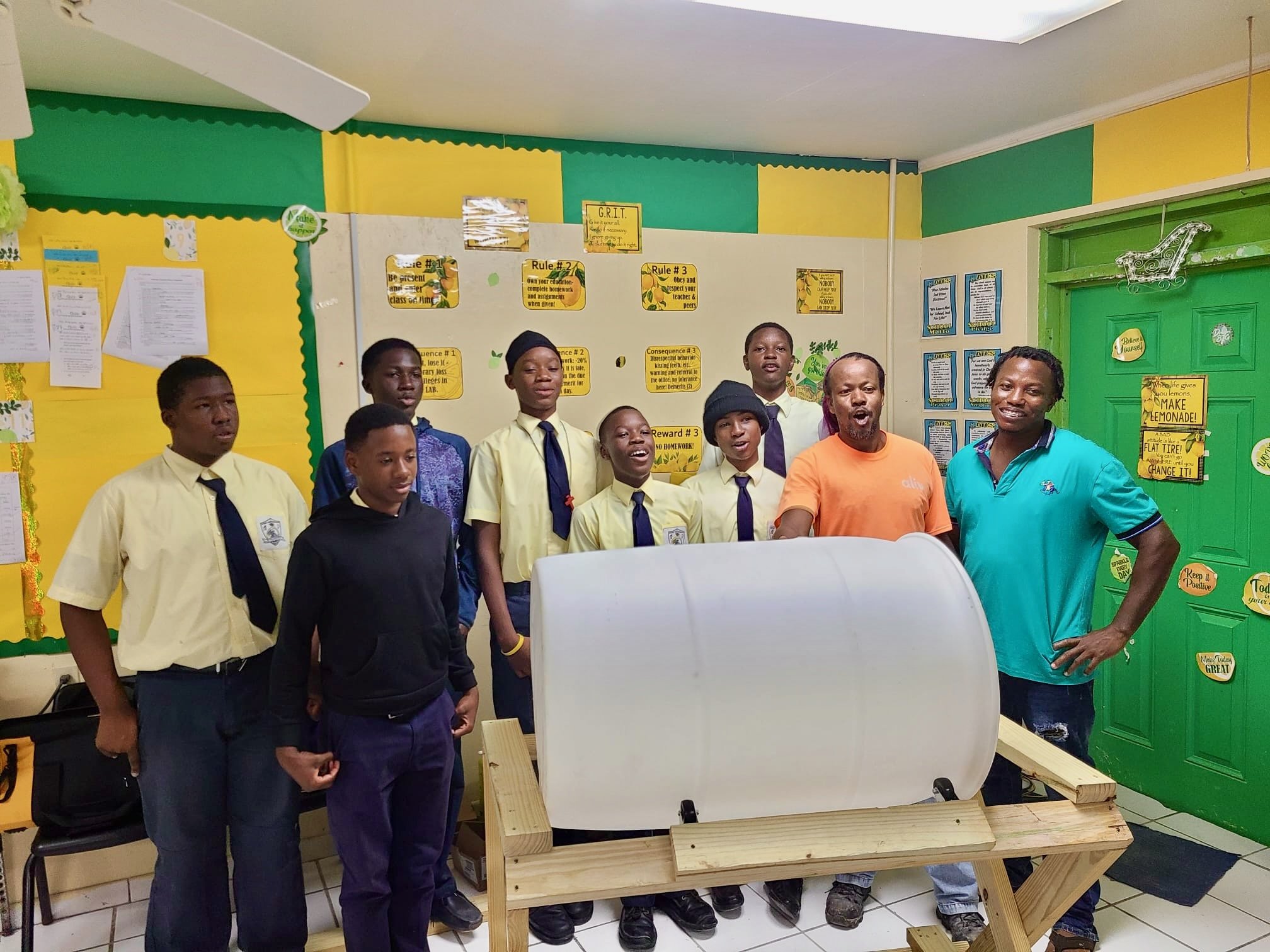
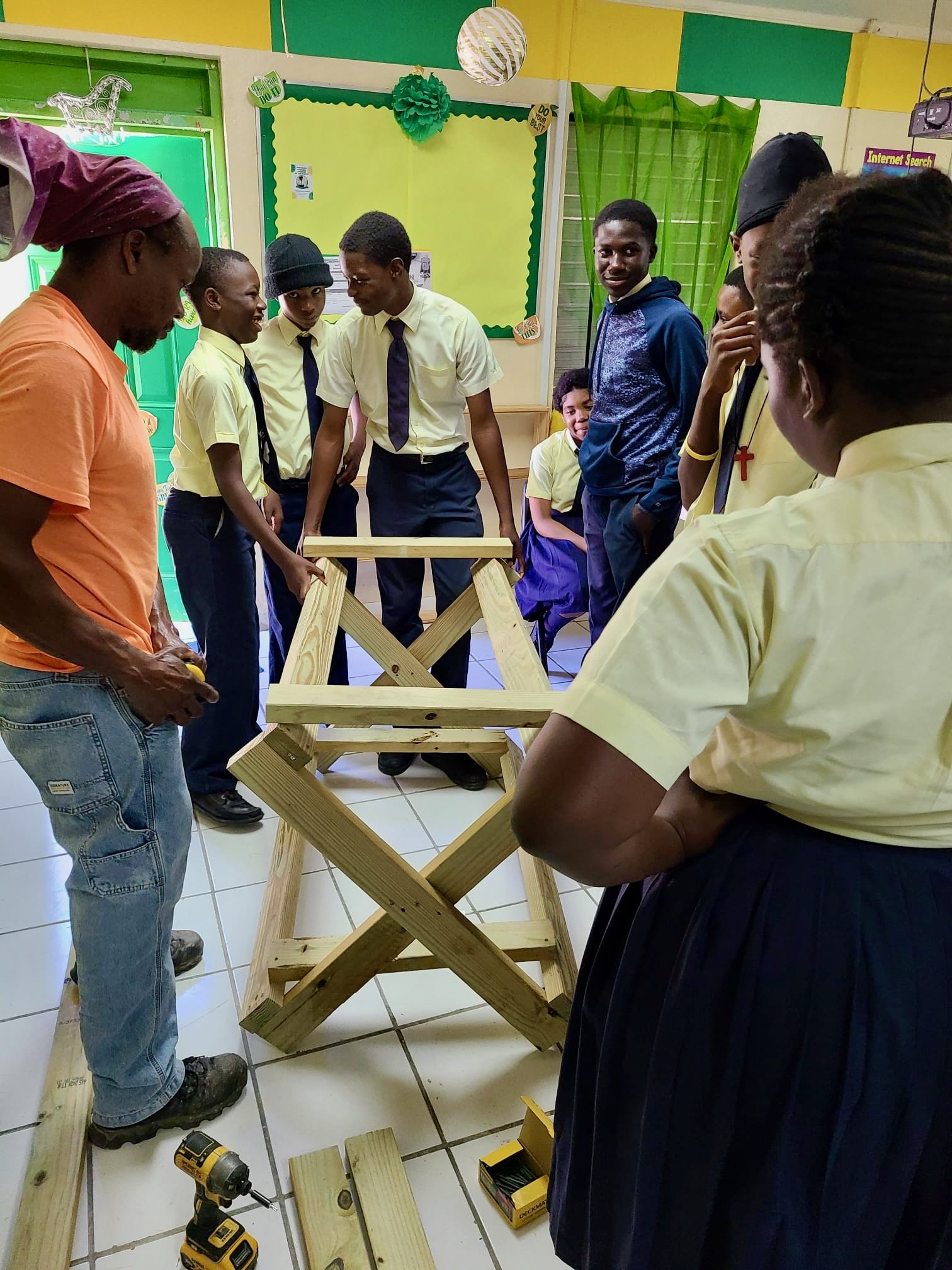
High school students build composters for the school and community, with the help of the Global Environment Fund SGP

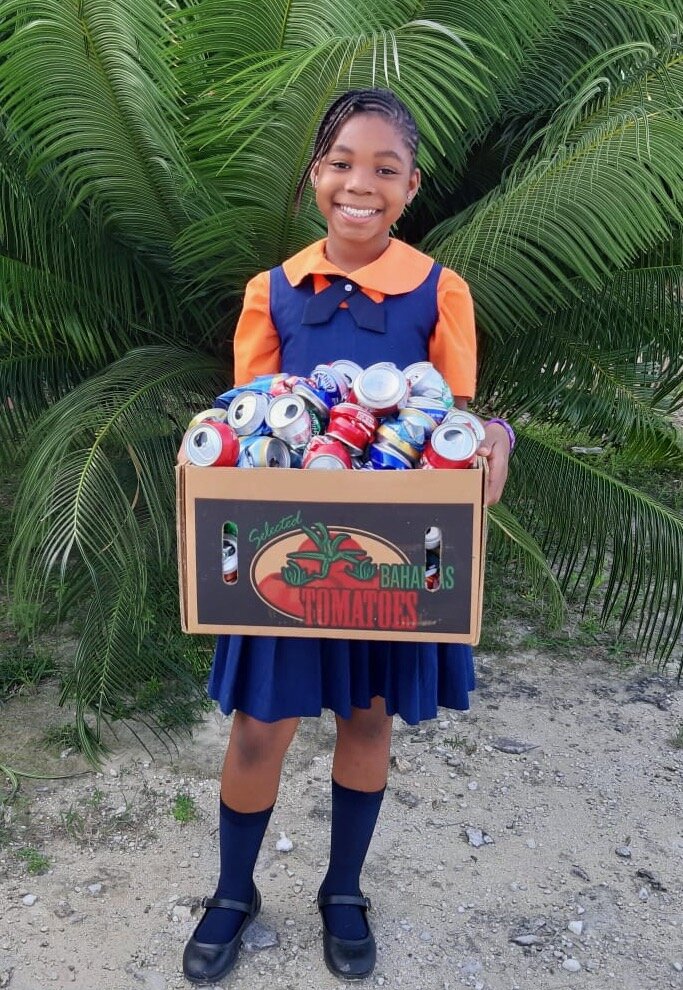
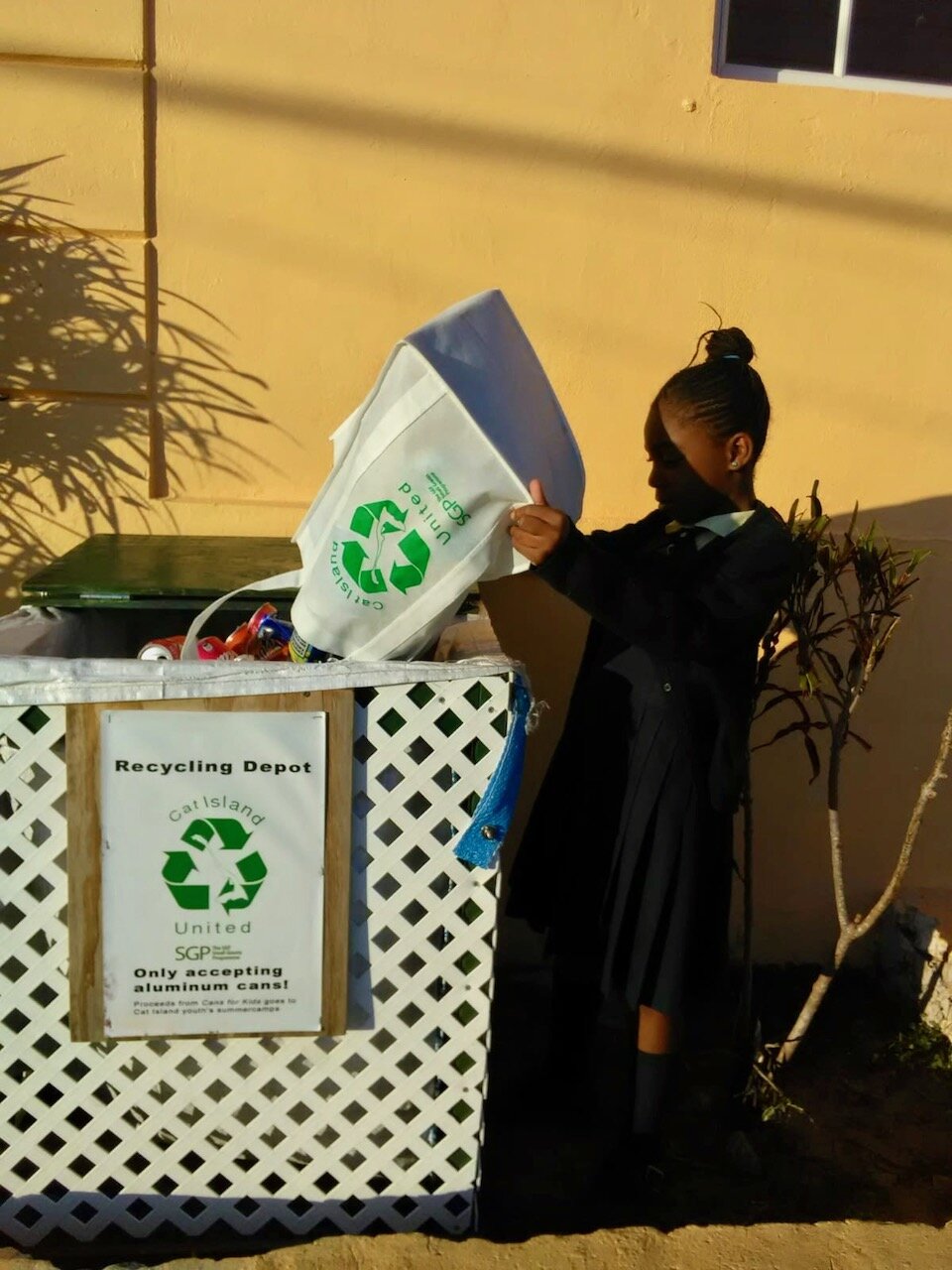
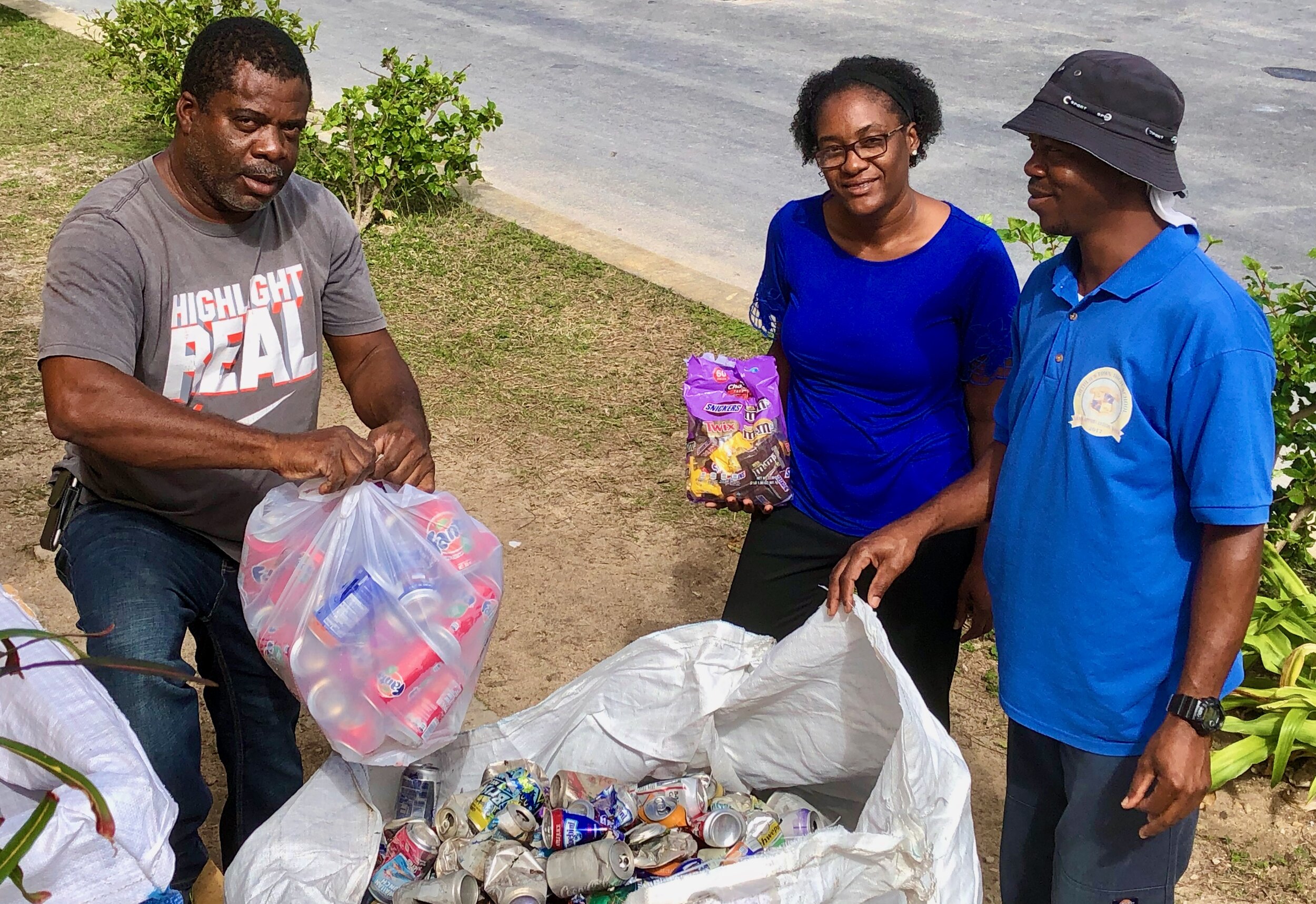
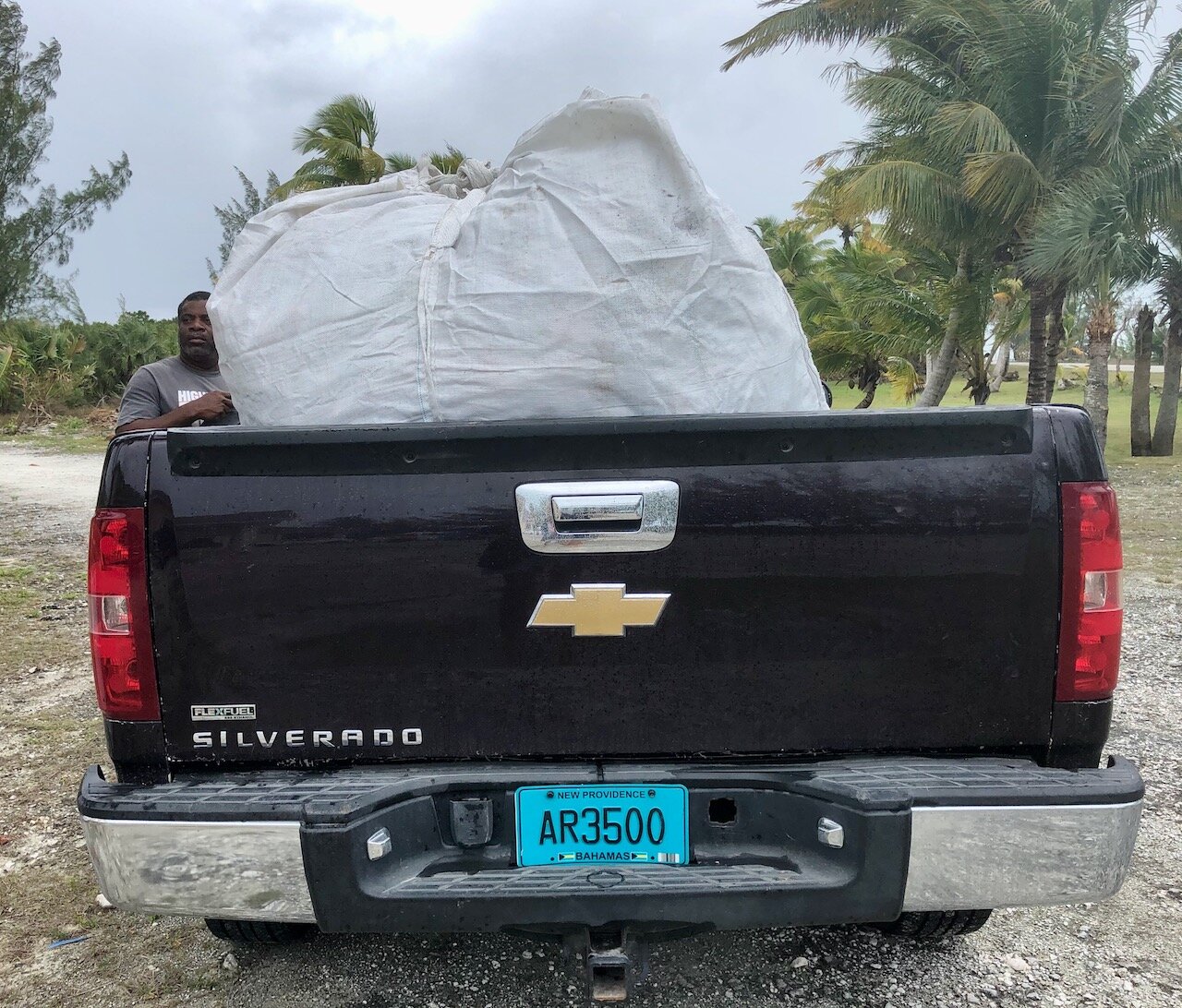
ALUMINUM CAN RECYCLING
2026 GOAL: 2000 POUNDS OF ALUMINUM BACK INTO MANUFACTURING
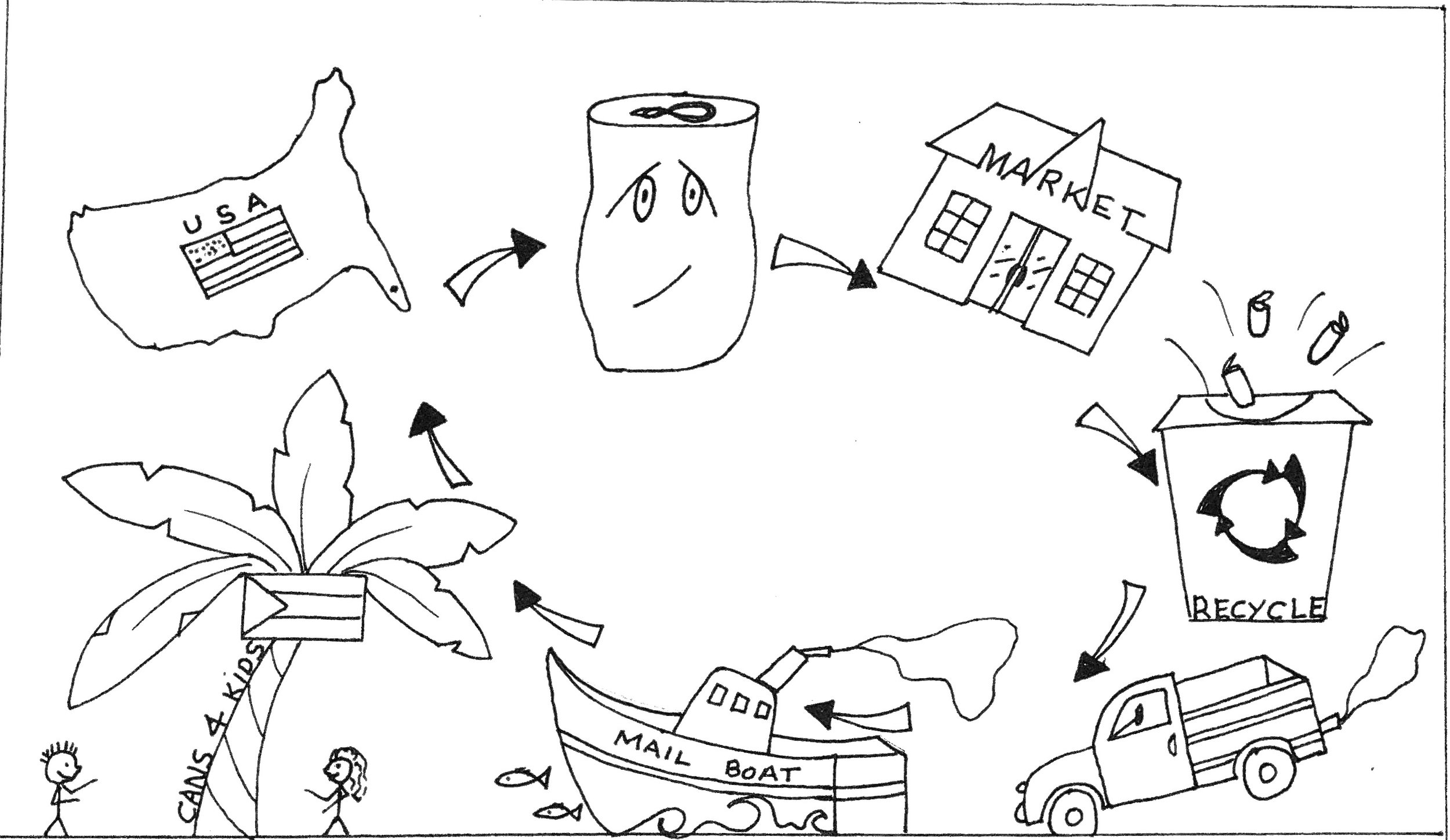
The Virtuous Life of a Cat Island Soda Can